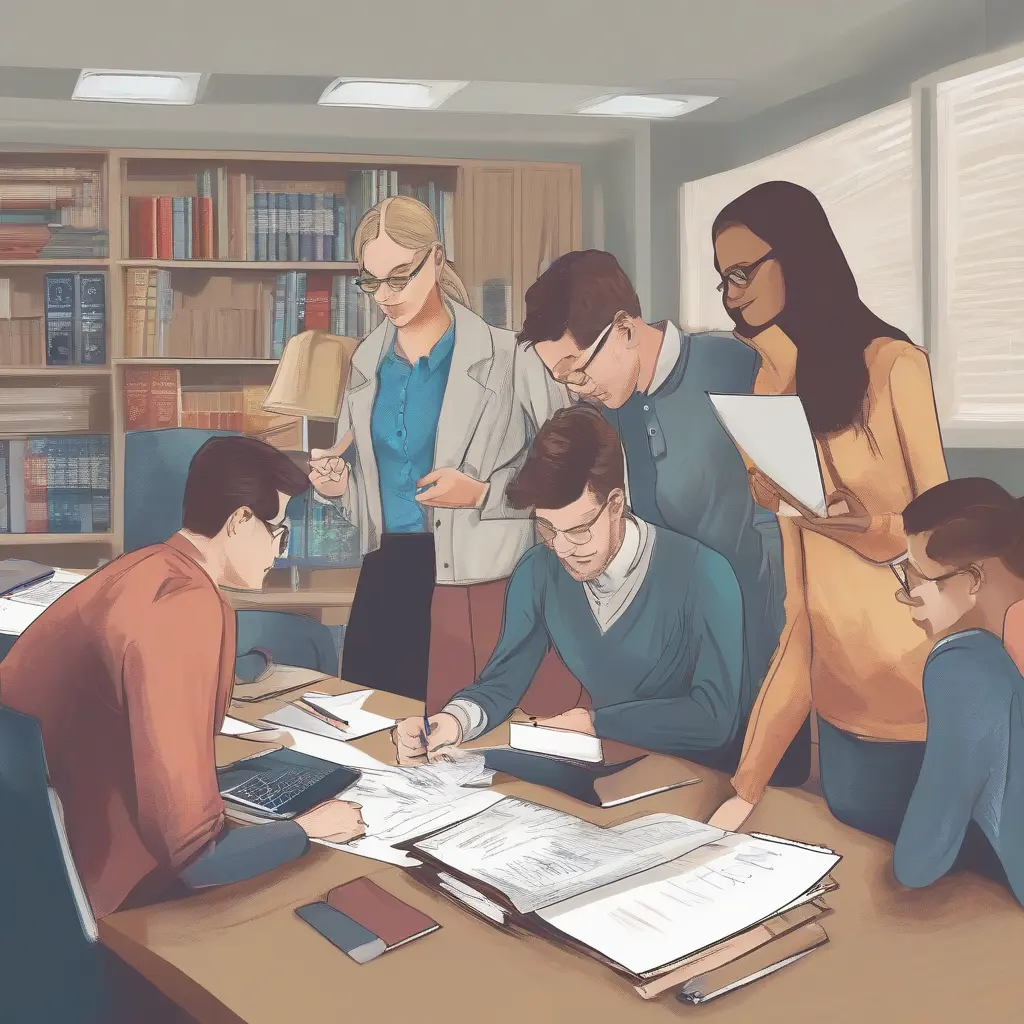
Group projects are a staple of academic life, often designed to enhance collaboration skills while deepening content understanding. However, navigating these projects can be challenging, especially when group dynamics are at play. Effective communication, clear role assignments, and establishing a timeline are crucial to success. Furthermore, addressing potential conflicts and understanding diverse work styles contribute to a more productive group experience. This guide provides strategies to help students manage group projects effectively, ensuring a smoother collaborative process and a better final product.
Understand the Goals of the Project
Before diving into any group project, it is essential to clearly understand its objectives. Each project comes with specific goals and criteria set by instructors, which guide the overall direction and requirements. Taking time to dissect the project outlining what needs to be achieved can prevent misunderstandings later on. Dividing the project into manageable parts based on these goals also facilitates better planning and execution, allowing team members to align their efforts toward common targets.
Establish Clear Roles and Responsibilities
Defining roles and responsibilities among group members is pivotal for efficient project execution. Each participant should have a designated role that aligns with their strengths and interests, as this ensures higher engagement and accountability. A clear distribution of tasks helps mitigate the chances of overlap, which can lead to confusion and frustration. Documenting these roles not only serves as a guide but also fosters a sense of ownership, motivating each member to contribute meaningfully.
Create a Timeline and Milestones
Developing a timeline with specific milestones can significantly enhance the productivity of your group project. This schedule should outline the major steps to completion, allocating time for individual tasks, group discussions, and revisions. Setting deadlines for each milestone encourages accountability and helps keep everyone on track. Regular check-in meetings can be scheduled to assess progress, allowing the group to make adjustments as needed and stay focused on the ultimate goal.
Foster Open Communication
Effective communication is the backbone of successful group projects. Establishing a communication plan that includes regular updates and feedback sessions is essential. Utilizing tools like group chats, email threads, or project management software can facilitate smoother interactions among group members. Encouraging an open dialogue where everyone feels comfortable sharing ideas and concerns fosters collaboration and builds a supportive environment. Remember to practice active listening, as it promotes understanding and respect within the group.
Leverage Team Strengths
One of the greatest advantages of group projects is the diverse skill set each member brings to the table. Identifying and leveraging these individual strengths can significantly enhance the project’s outcome. For instance, if one member excels at research while another is proficient in design, distributing tasks according to these strengths can lead to a more polished final product. Acknowledging and utilizing each person’s talents not only boosts productivity but also encourages collaboration and respect among team members.
Address Conflicts Proactively
Conflicts are a common occurrence in group projects, often arising from differing opinions, work ethics, or communication styles. It is crucial to address these issues proactively to prevent them from escalating and affecting the group dynamic. Establishing ground rules for interaction can help mitigate conflicts early on. Encouraging open discussions about disagreements and offering a safe space for members to express their concerns fosters a constructive environment. If necessary, seeking mediation from a neutral third party, such as an instructor, can also be beneficial.
Utilize Collaboration Tools
In today’s digital age, leveraging collaboration tools can enhance the efficiency of group projects significantly. Platforms like Google Drive, Trello, and Slack allow members to share documents, track progress, and communicate seamlessly. These tools not only streamline workflows but also ensure that all members are on the same page regarding project developments. Familiarizing the group with these tools at the onset can reduce technological hurdles, allowing the team to focus more on content delivery rather than logistical issues.
Reflect on Group Dynamics
After completing a group project, it is beneficial to reflect on the dynamics that played out during the collaboration. Taking time to evaluate what worked well and what did not can provide valuable insights for future projects. This reflection should involve every group member, encouraging honest feedback and discussions about individual contributions. Learning from past experiences not only helps in personal growth but also enhances future collaboration skills, leading to more productive and pleasant academic experiences.
Emphasize Accountability
Creating a culture of accountability within the group is crucial for its success. Each member should understand the importance of their responsibilities and the impact of their contributions on the group’s final outcome. Regular progress updates can reinforce this sense of accountability, ensuring that everyone remains committed to their tasks. Encouraging individuals to own up to their successes and challenges promotes transparency and strengthens trust within the team, ultimately leading to improved project results.
Conclusion
Navigating group projects successfully requires a combination of clear communication, defined roles, and effective conflict management. By implementing strategies such as understanding project goals, leveraging team strengths, and fostering open discussions, students can enhance their collaborative skills. Remember that reflection on experiences will aid in continuous improvement, making future group collaborations even more effective and enjoyable. Mastering these skills is not only vital in academia but also prepares students for collaborative work in their future careers.