In an increasingly competitive job market, soft skills have emerged as critical components of career development for students. These interpersonal skills, including communication, teamwork, and problem-solving, play a vital role in determining a student’s employability and success in the workplace. As academic achievement alone does not guarantee career success, developing soft skills can provide students with a significant advantage. Employers often prioritize these attributes in potential candidates, recognizing their importance in fostering collaboration and adapting to change. Therefore, students should consciously cultivate these skills during their educational journey to enhance their professional prospects.
Understanding Soft Skills
Soft skills refer to a collection of personal attributes that enable individuals to effectively interact with others. Unlike technical skills, which are specific to a particular task or profession, soft skills are universally applicable across various situations and industries. They encompass communication, adaptability, teamwork, critical thinking, and emotional intelligence. The importance of these skills cannot be overstated, as they significantly influence how one collaborates with colleagues, addresses challenges, and fits into a company’s culture. Developing these competencies can bolster not only personal interactions but also professional opportunities throughout a career.
The Role of Communication Skills
Effective communication skills are paramount in professional environments. This includes both verbal and written communication, which allow students to articulate their ideas clearly and confidently. Employers look for candidates who can convey their thoughts to various audiences and engage in meaningful dialogue. Strong communicators enhance teamwork and collaboration by fostering an environment of openness and transparency. Consequently, students should focus on honing their communication abilities through practice, coursework, and extracurricular activities to prepare for future interactions in their careers.
Teamwork and Collaboration
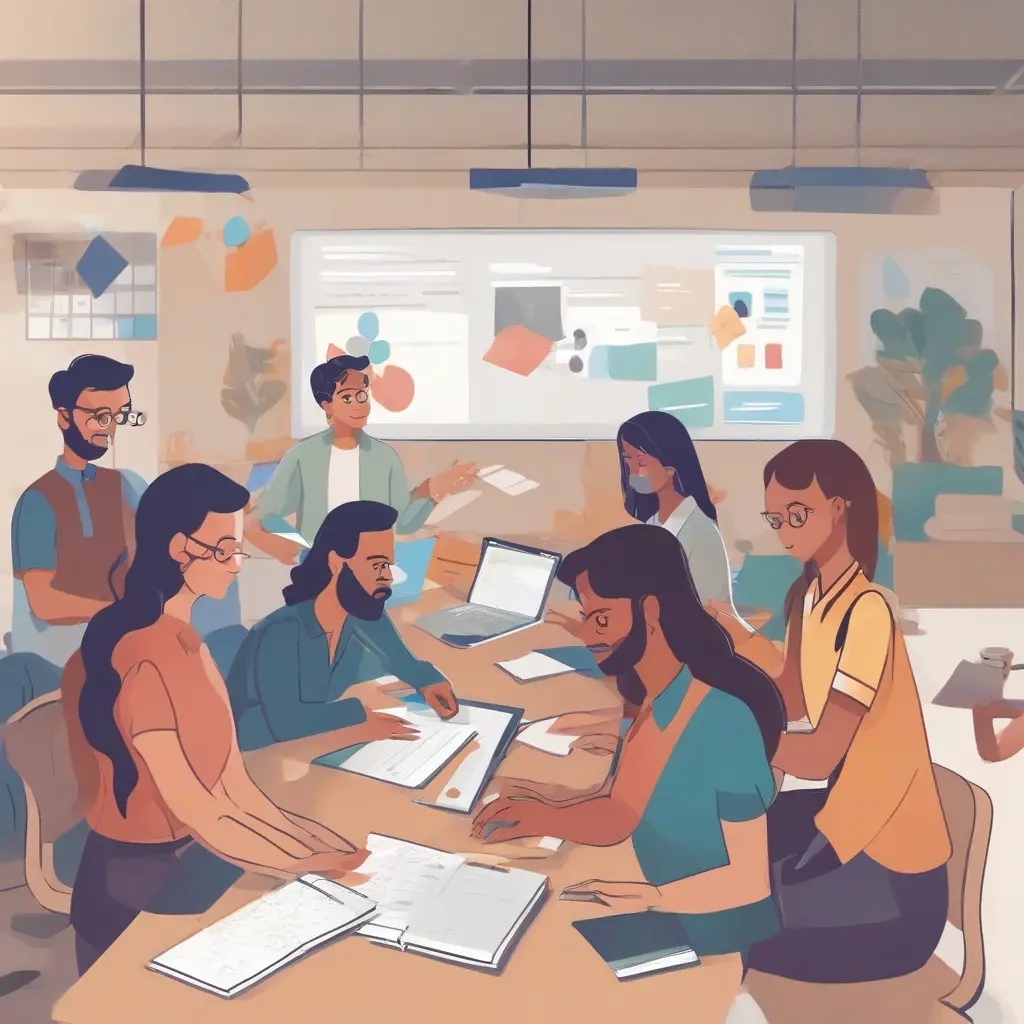
Teamwork is a fundamental ability that students must master for successful career development. Many tasks in the workplace require collaborative efforts, necessitating the ability to work well within diverse groups. Effective teamwork involves active listening, respecting different viewpoints, and leveraging individual strengths to achieve common goals. Students can enhance their teamwork capabilities through group projects, team sports, and involvements in clubs or organizations. Such experiences cultivate valuable skills that employers highly regard, making students more attractive candidates for job positions.
Adaptability in Changing Environments
Adaptability is an essential soft skill that enables individuals to navigate change effectively. In today’s fast-paced work environment, students will often encounter shifting priorities and unexpected challenges. Those who can adjust their approach and remain composed under pressure are viewed favorably by employers. By embracing new technologies, methodologies, and workplace dynamics, students demonstrate their resilience and openness to growth. Engaging in diverse learning experiences and stepping outside comfort zones can help students develop this crucial skill set, making them well-prepared for future career uncertainties.
Problem-Solving and Critical Thinking
Problem-solving and critical thinking are highly sought-after skills in any professional setting. Employers value individuals who can analyze situations, identify challenges, and devise effective solutions. This ability requires a blend of creativity and logical reasoning, allowing students to approach problems systematically. Participating in internships, real-world projects, or case studies can provide students with the hands-on experience necessary to enhance their problem-solving skills. By cultivating this competency, students can differentiate themselves in the job market and demonstrate their potential to contribute meaningfully to organizational success.
Emotional Intelligence and Empathy
Emotional intelligence (EI) refers to the ability to recognize, understand, and manage one’s emotions while effectively relating to others. High EI fosters strong interpersonal relationships and enhances teamwork by promoting empathy and understanding. Employers increasingly prioritize candidates with high emotional intelligence, as they create harmonious work environments and help navigate interpersonal conflicts smoothly. Students can develop their EI by practicing active listening, reflecting on their emotional responses, and engaging in discussions about emotional experiences. This skill not only aids in personal growth but also contributes positively to workplace dynamics.
Time Management and Organization
Time management is a crucial soft skill that allows individuals to prioritize tasks effectively and meet deadlines. In both academic and professional settings, the ability to organize one’s time can significantly impact performance and productivity. Students can enhance their time management skills by utilizing planners, setting specific goals, and breaking tasks into manageable segments. As they develop this proficiency, students will find themselves better equipped to balance multiple responsibilities, making them more reliable and efficient in the eyes of future employers.
Networking and Relationship Building
Networking is an integral aspect of career development, enabling students to establish valuable professional connections. Building relationships within their chosen industry can provide students with mentorship opportunities, insights into job openings, and essential career advice. Engaging in networking events, internships, and online platforms can help students practice and improve their networking skills. By fostering genuine relationships and displaying strong interpersonal skills, students can enhance their career prospects and create a support system that can benefit them throughout their professional journeys.
Developing Soft Skills in Academia
Educational environments are prime opportunities for students to cultivate soft skills. By participating in group projects, class discussions, and extracurricular activities, students can experience real-life applications of these competencies. Educational institutions can also facilitate workshops and training sessions focusing on soft skill development. Moreover, students should actively seek feedback from peers and instructors to identify areas for improvement, allowing for continuous growth. By prioritizing soft skills within their academic journey, students can create a solid foundation that will serve them well in their future careers.
The Long-Term Benefits of Soft Skills
Investing in soft skill development yields long-term benefits for students as they transition into the workforce. Those equipped with strong interpersonal abilities tend to excel in job interviews, foster positive working relationships, and adapt quickly to organizational cultures. Companies increasingly recognize that soft skills contribute to employee satisfaction and retention, leading to improved team performance. Furthermore, as careers advance, leadership roles often require a higher emphasis on soft skills. Therefore, students who prioritize these competencies are more likely to attain and thrive in leadership positions over time.
Conclusion
In conclusion, soft skills are fundamental to a student’s career development and play a vital role in employability and professional success. As the job market continues to evolve, the demand for individuals who possess strong interpersonal skills will only intensify. Students who actively cultivate skills such as communication, teamwork, and adaptability will find themselves better positioned to seize opportunities and navigate challenges throughout their careers. Emphasizing soft skill development alongside academic achievement will ultimately enable students to thrive in their professional endeavors.