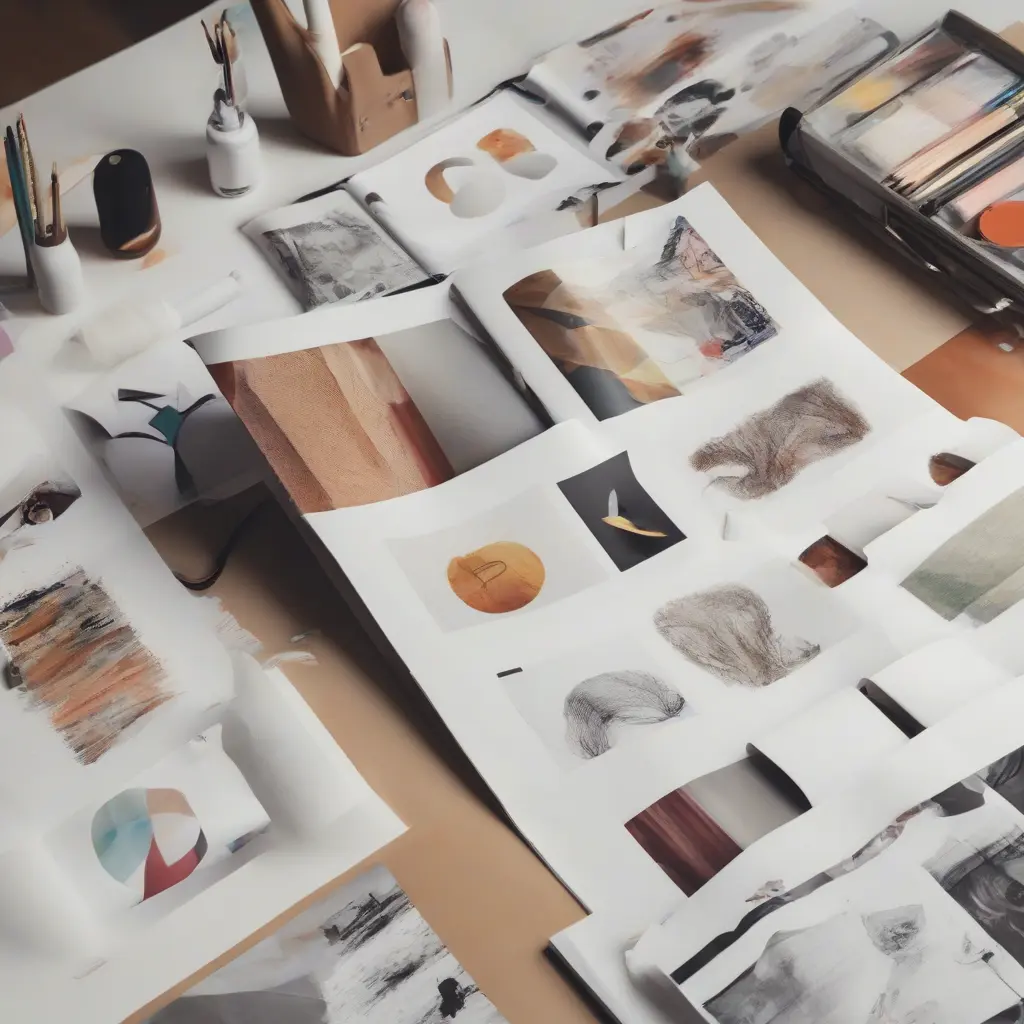
Creating a compelling portfolio is crucial for art and design students aiming to showcase their creative skills and attract potential employers or schools. A well-curated portfolio not only reflects your artistic style but also demonstrates your technical abilities and thought process. Understanding how to present your work effectively can set you apart in competitive fields. This guide offers valuable tips on selecting work, creating layouts, and showcasing your unique voice while taking into account the latest trends in portfolio development.
Understand Your Audience
Before creating your portfolio, clarify who your audience is. Are you targeting potential employers, clients, or art schools? Each group looks for different qualities. Employers might focus on your technical skills and project experience, while schools may prioritize creativity and conceptual development. Tailoring your portfolio to the preferences and expectations of your specific audience can make it more impactful. Research the firms or institutions you aim to impress to align your portfolio with their values and needs.
Choose Your Best Work
Selecting the right pieces for your portfolio is crucial. It’s tempting to include everything you’ve created, but quality is far more important than quantity. Aim to showcase a diverse range of works that illustrate your skills and styles while being cohesive. Highlight major projects, pieces that received positive feedback, or innovative works that demonstrate your growth as an artist. Ideally, your portfolio should contain between 10 to 20 pieces, showcasing your best work without overwhelming the viewer.
Showcase a Variety of Techniques
Art and design encompass various techniques, from traditional painting to digital design. Including a variety of techniques in your portfolio allows you to demonstrate versatility and broad skill sets. This showcases your adaptability and competence in different media, potentially attracting a wider range of opportunities. Consider adding sketches, digital work, or mixed media pieces while ensuring they follow a unified theme or message. This variety can help convey your creative versatility and technical skills effectively.
Create a Cohesive Narrative
Your portfolio should tell a story about who you are as an artist or designer. Organize your work in a way that presents a clear narrative; for instance, you can arrange pieces chronologically or by concept themes. Each piece should ideally connect to the others to create a sense of continuity. Along with visuals, consider including brief descriptions that elucidate your thought process, techniques used, and the inspirations behind each piece. A cohesive narrative helps viewers engage with your work on a deeper level.
Invest in Professional Presentation
The presentation of your portfolio matters significantly in making a first impression. Whether digital or physical, ensure that your work is showcased professionally. For a digital portfolio, use high-quality images and an intuitive layout that facilitates easy navigation. If presenting physically, consider using high-quality prints and suitable binding materials. Pay attention to fonts and colors in your layout to enhance readability and aesthetic appeal. A polished presentation underscores your professionalism and attention to detail, both essential traits in creative fields.
Incorporate Personal Projects
Personal projects often reflect your true passions and creativity better than school assignments or client work. Including personal projects in your portfolio shows what you’re genuinely interested in and can demonstrate your initiative and dedication to your craft. These pieces can portray your individual style and creative solutions, possibly setting you apart from other candidates. When showcasing personal projects, provide context about the project goals, your challenges, and what you learned, offering insight into your creative process.
Keep It Up to Date
Regularly update your portfolio to reflect your latest and greatest work. As you continue to learn and grow in your artistic journey, newer projects might better showcase your current skills and artistic voice. Remove older pieces that no longer represent your capabilities or that may detract from your portfolio’s overall quality. An up-to-date portfolio not only demonstrates your ongoing growth but also keeps your work relevant to current trends in the art and design fields.
Seek Feedback
Gathering external feedback can provide valuable insights into your portfolio. Share your work with teachers, mentors, or peers and ask for constructive critiques. They might identify strengths or weaknesses that you hadn’t noticed. Feedback can help you refine your selection of works, improve your presentation, and enhance your narrative. Open yourself to revisions based on this feedback, as it can result in a stronger final product. This iterative process can significantly elevate the quality of your portfolio.
Employ Digital Tools
Utilizing digital tools can enhance your portfolio’s presentation and accessibility. Various platforms allow artists and designers to create interactive online portfolios. These digital spaces can accommodate animations, videos, and hyperlinks to your social media or personal website, showcasing your work more engagingly. Choose a platform that aligns with your goals while ensuring your portfolio is user-friendly and mobile-optimized. Embracing digital tools broadens your audience and showcases your capabilities in today’s tech-centric world.
Network and Share
Networking is vital to getting your portfolio seen by the right people. Attend workshops, art shows, or design fairs to connect with industry professionals and peers. Sharing your work via social media channels or online art communities can enhance its visibility. Don’t shy away from soliciting feedback or engaging with your audience. The more exposure your portfolio gets, the better the chances of it reaching potential employers or collaborators who value your work.
Conclusion
Creating a compelling portfolio requires careful planning, creativity, and continual refinement. By understanding your audience, showcasing your best work, and presenting it professionally, you can significantly enhance your chances of making a lasting impression. Embrace digital tools and networking opportunities to maximize visibility and impact. An effective portfolio is crucial for art and design students aiming to succeed in a competitive landscape, making each element essential to your artistic journey.