College is a pivotal time for students, offering them a unique opportunity to acquire a range of skills that are crucial for both their academic success and future careers. As students navigate their studies and personal lives, developing essential skills can significantly enhance their employability and help them excel in various professional environments. This article highlights ten key skills that every student should focus on during their college years, ensuring they are well-prepared for life after graduation.
Effective Time Management Skills
Time management is a critical skill for college students, who often juggle classes, assignments, and extracurricular activities. By learning to prioritize tasks, set achievable goals, and create schedules, students can navigate their academic responsibilities more efficiently. Utilization of tools such as planners or digital calendars can help students allocate time effectively, leading to increased productivity and reduced stress. Mastering time management also promotes a healthy work-life balance, which is essential for maintaining motivation and well-being throughout their college experience.
Strong Communication Skills
Communication skills are vital in nearly every aspect of college and beyond. Students must learn to articulate their thoughts clearly through writing and speaking, whether in essays, group presentations, or class discussions. Developing these skills enhances their ability to collaborate effectively with peers and build professional relationships. Engaging in activities like public speaking or writing workshops further refines their communication abilities, making graduates more competitive in the job market where interpersonal skills are highly valued.
Critical Thinking and Problem Solving
Critical thinking involves analyzing information and making informed decisions, which is essential for academic success and real-world challenges. In college, students are often required to tackle complex problems across various subjects, encouraging them to think critically about their approach. By engaging in debates, taking part in group projects, and studying diverse perspectives, students can enhance their analytical skills. When they hone their problem-solving abilities, they become more adept at addressing challenges creatively and logically, a trait sought by employers.
Teamwork and Collaboration Abilities
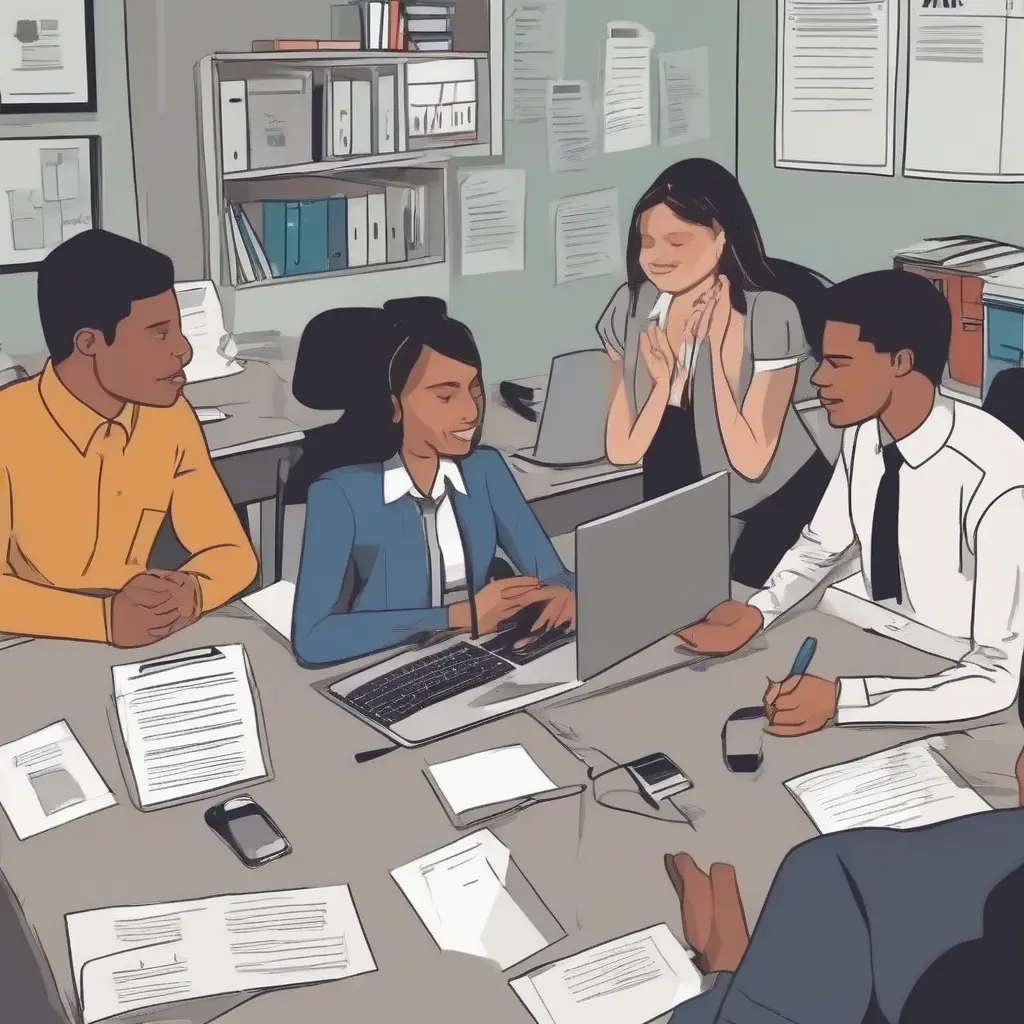
The ability to work effectively in teams is another essential skill for college students. Group projects, study sessions, and extracurricular activities provide numerous opportunities for collaboration. Students learn to appreciate different perspectives, share responsibilities, and communicate openly with team members. Developing teamwork skills not only improves academic performance but also prepares students for the collaborative nature of most workplaces where successfully navigating group dynamics is crucial.
Adaptability and Flexibility
Adaptability is key in today’s rapidly changing world, particularly in the ever-evolving landscape of the workplace. College students encounter various challenges, from adjusting to different teaching styles to managing unexpected changes in their schedules. By stepping outside of their comfort zones, students learn to embrace change and develop resilience. This skill fosters a positive attitude toward new experiences and challenges, which can greatly benefit students in both personal and professional situations after graduation.
Research and Analytical Skills
Research skills are foundational for students, especially in academic environments where assignments often require in-depth exploration of topics. Learning to collect, evaluate, and synthesize information from various sources equips students with the ability to assess data critically. Moreover, these analytical skills are pivotal in making data-driven decisions, whether in academic projects or workplace scenarios, allowing graduates to contribute meaningfully to their fields and enhance their critical understanding of complex issues.
Financial Literacy Competence
Understanding personal finance is an essential skill that prepares students for independence after college. Financial literacy encompasses budgeting, saving, debt management, and investment strategies. By learning how to manage their finances effectively, students can make informed decisions regarding student loans, credit cards, and future expenses. Colleges increasingly offer resources and workshops that help students improve their financial skills, ensuring they emerge as responsible and financially savvy adults ready to tackle economic challenges.
Networking and Relationship Building
Building a professional network is crucial for career development, and college provides an ideal environment for students to connect with peers, professors, and industry professionals. Learning how to network effectively can open doors to internships, job opportunities, and mentorships. Students should actively engage in career fairs, join clubs, or participate in alumni events to cultivate valuable relationships. Effective networking not only increases employability but also fosters enduring professional connections that can lead to collaborative opportunities and shared knowledge.
Technological Proficiency
In our digital age, technological proficiency is indispensable for students entering the workforce. Familiarity with various software applications, platforms, and tools enhances productivity and efficiency in academic and professional scenarios. College courses often incorporate technology, but students should also seek to enhance their skills through online courses or workshops. Being technologically proficient enables students to adapt to different work environments and stay competitive as many employers prioritize candidates who are adept at leveraging technology effectively.
Emotional Intelligence Development
Emotional intelligence (EQ) involves understanding and managing one’s emotions as well as recognizing the emotions of others. This skill is increasingly important in personal and professional contexts, allowing individuals to navigate social complexities and build strong relationships. College students can develop their EQ through group interactions, conflict resolution scenarios, and self-reflection. Enhanced emotional intelligence improves leadership abilities, teamwork, and communication, equipping students for success in their future careers.
Conclusion
In summary, college is an excellent time for students to develop essential skills that will serve them well beyond graduation. By focusing on time management, communication, critical thinking, teamwork, adaptability, research, financial literacy, networking, technological proficiency, and emotional intelligence, students position themselves for academic success and robust careers. Cultivating these skills not only enhances their personal growth during college but also equips them with a solid foundation for their professional lives.