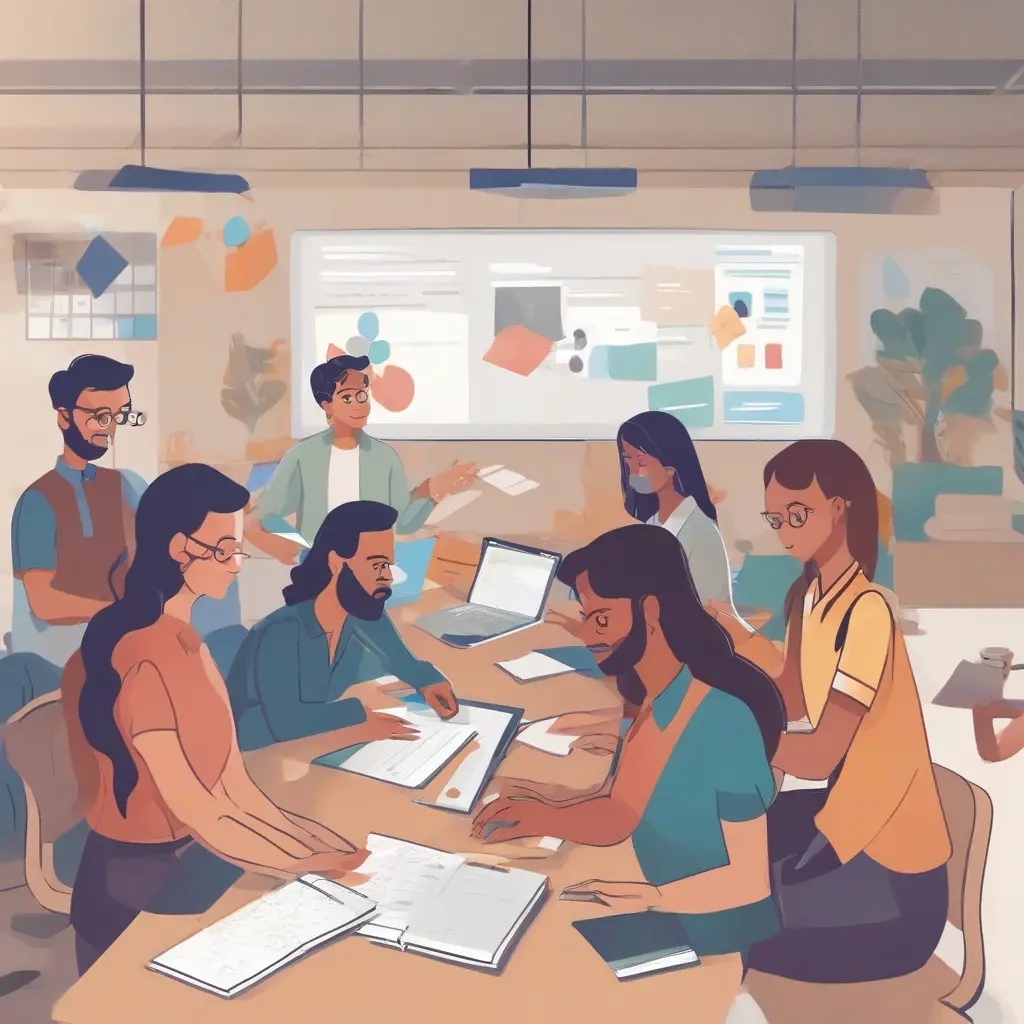
Understanding your career strengths and weaknesses is crucial as a student. This self-awareness not only instructs your academic choices but also shapes your future career path. Recognizing and honing your strengths can lead to greater opportunities, while acknowledging your weaknesses helps to create a more well-rounded skill set. In this article, we will explore effective strategies to help you identify these personal attributes, enabling you to pave a successful career journey.
Understanding the Importance of Self-Assessment
Self-assessment is the first step toward identifying your career strengths and weaknesses. This process involves an honest evaluation of your skills, interests, and values. By reflecting on past experiences, engagements, and feedback from instructors or peers, you can gather insights into what you’re naturally good at and where you may struggle. This clarity aids in aligning your academic and career goals with your inherent abilities, ultimately facilitating a more fulfilling career trajectory.
Utilizing Personality Assessments
Personality assessments serve as valuable tools in identifying your strengths and weaknesses. Instruments such as the Myers-Briggs Type Indicator (MBTI) or the StrengthsFinder can provide insights into your behavioral tendencies and natural talents. These assessments categorize personality traits and suggest career paths suited to your profile, thus helping streamline your career choices. Using these results as a foundation, you can recognize areas where you excel and identify skills that require further development.
Gathering Feedback from Peers and Mentors
Feedback from peers, mentors, or teachers is instrumental in gaining perspective on your strengths and weaknesses. Engaging in constructive conversations can reveal traits or skills you might overlook. It can be valuable to ask specific questions about your performance in group projects or class participation. This feedback provides external validation of your self-assessment, helping you pinpoint areas for improvement and confirming your strengths.
Evaluating Your Academic Performance
Your academic performance often reflects your strengths and weaknesses in various subjects. Analyzing your grades and coursework can highlight the areas where you excel and where you might need improvement. For instance, high scores in analytical subjects may suggest strong critical thinking abilities, while lower scores in creative assignments may indicate a need for growth in creative skills. This evaluation can guide your academic choices and help you focus on subjects aligned with your strengths.
Conducting Skills Inventory Exercises
Creating a skills inventory is a practical approach to identifying your strengths and weaknesses. List your skills and rate your proficiency in each one. This exercise not only clarifies where you excel but also uncovers skills that may require development. Consider including both hard skills, like technical expertise, and soft skills, such as communication and teamwork. By reviewing this inventory regularly, you can track your growth and adjust your learning strategies accordingly.
Exploring Extracurricular Activities
Participating in extracurricular activities can provide insight into your strengths and weaknesses beyond the classroom. Whether you join clubs, sports teams, or volunteer organizations, these experiences allow you to test your skills in real-world scenarios. Engaging in diverse activities can uncover hidden talents and expose areas that need improvement. Moreover, these involvements can enhance your resume and further develop essential life skills that benefit your future career.
Setting Personal Goals for Growth
Setting personal growth goals is essential in the journey of identifying and improving your career strengths and weaknesses. Establish clear, actionable objectives based on your self-assessment. For example, if you discover a weakness in public speaking, you can set a goal of participating in a certain number of presentations per semester. Regularly revisiting these goals can motivate you to make incremental improvements, ultimately leading to increased confidence and skills in your chosen career path.
Creating a Personal Development Plan
A personal development plan is a structured approach to enhancing your skills based on the strengths and weaknesses you’ve identified. This plan should outline specific actions you can take, such as enrolling in courses or seeking internships that align with your goals. Additionally, include a timeline to measure your progress. By setting aside time regularly to update your plan, you can ensure continuous self-improvement, adapting to changing interests or career aspirations.
Networking for Professional Growth
Networking opens doors to new opportunities and provides valuable insights into your career strengths. Attend workshops, seminars, or industry events to connect with professionals who can share their experiences and guidance. These interactions can shed light on how your strengths can be relevant in various professional settings. Networking also allows you to gain feedback and advice from those who have traversed similar paths, thus enhancing your understanding of your personal strengths and areas for growth.
Adapting to Feedback and Continuous Learning
Taking feedback positively and engaging in continuous learning is crucial for personal growth. Be receptive to constructive criticism and use it to refine your skills. Consider enrolling in workshops, online courses, or mentorship programs to develop specific areas of weakness. Continuous learning not only broadens your skill set but also demonstrates to future employers your commitment to growth and adaptability. Embracing a learning mindset can significantly enhance your prospects in the workforce.
Conclusion
In conclusion, identifying your career strengths and weaknesses as a student is integral to your personal and professional development. Utilizing methods such as self-assessment, gathering feedback, and setting personal goals will empower you to navigate your educational journey effectively. By understanding and continuously developing your skills, you can forge a fulfilling career path that aligns with your abilities and aspirations.