Being a first-generation college student comes with unique challenges and opportunities. Many students face difficulties related to academic preparedness, financial constraints, and familial expectations. Understanding these hurdles can empower students to navigate their college journey successfully. Support systems play a crucial role, from campus resources to community networks, ensuring first-generation students have access to the tools they need to thrive. By embracing this journey and seeking help, these students can significantly enhance their college experience and academic success.
Understanding the Unique Challenges
First-generation college students often encounter specific challenges that their peers may not face. They may lack familiarity with the college environment, resources, and academic expectations. This unfamiliarity can lead to feelings of isolation and self-doubt. Additionally, students may struggle with time management, balancing responsibilities at home, and maintaining academic performance. Recognizing these unique difficulties is the first step towards developing effective coping strategies and leveraging available resources.
Utilizing Campus Resources Effectively
Most colleges offer a variety of resources specifically designed for first-generation students. These may include counseling services, academic workshops, and mentoring programs. It’s crucial for students to take full advantage of these resources, as they can provide guidance, improve study skills, and facilitate successful transitions into college life. Engaging with these services early on can enhance academic performance and build a sense of community among first-generation peers.
Building a Support Network
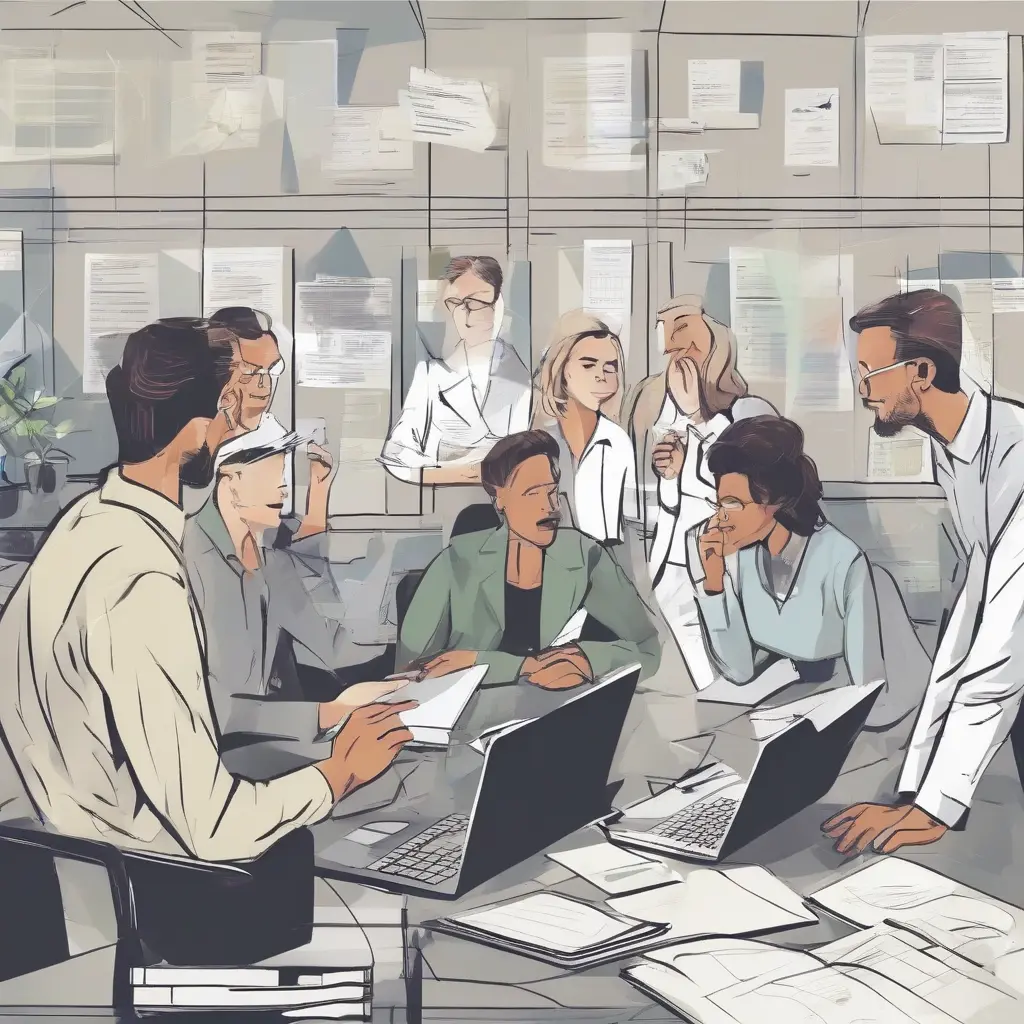
Establishing a solid network of support can significantly benefit first-generation college students. This network may include friends, family, professors, and advisors. Forming study groups or joining student organizations can also foster a sense of belonging and provide invaluable academic support. Participating in discussions with fellow students navigating similar challenges can help in creating friendships and alliances that strengthen the overall college experience.
Managing Financial Concerns
Financial concerns are a significant source of stress for many first-generation college students. Understanding the financial aid process, including scholarships, grants, and loans, is vital. Students should actively seek scholarships specifically targeting first-generation students, which can alleviate some financial burdens. Furthermore, budgeting skills will help students manage their finances more effectively, ensuring that their educational expenses are covered and financial stress is minimized.
Balancing Responsibilities and Academic Life
Many first-generation students juggle additional responsibilities, such as part-time jobs or family obligations, alongside their academic pursuits. Effective time management is essential for maintaining a balance between personal, professional, and academic lives. Using planners or digital tools can help prioritize tasks, set deadlines, and create schedules. Finding a balance may be challenging but is essential for achieving academic excellence while fulfilling other obligations.
Developing Resilience and Coping Strategies
First-generation college students often face setbacks that require resilience and effective coping strategies. Developing a growth mindset and viewing challenges as opportunities for learning can greatly enhance their college experience. Stress management techniques such as mindfulness, exercise, and seeking social support are beneficial. Practicing these techniques regularly can help students maintain mental well-being, allowing them to focus on their studies and adapt to the demands of college life.
Engaging with Faculty and Staff
Engagement with faculty and staff is vital for first-generation college students. Building relationships with professors can lead to mentorship opportunities, academic guidance, and research involvement. Students should not hesitate to ask questions during office hours or participate in class discussions. Faculty members often appreciate proactive students and may provide support that enhances academic success and professional development.
Setting Realistic Goals
Setting realistic academic and personal goals is crucial for first-generation college students. These goals provide direction and motivation, making it easier to navigate the complexities of college life. Short-term goals such as completing assignments on time can build momentum, while long-term goals might involve pursuing particular majors or career paths. Regularly reviewing and adjusting these goals based on progress can help maintain focus and encourage a growth-oriented approach.
Celebrating Achievements
It is essential for first-generation college students to celebrate their achievements, regardless of size. Recognizing personal milestones, whether academic or developmental, reinforces motivation and boosts self-confidence. Celebrations can range from small personal rewards after completing exams to family gatherings recognizing academic successes. Acknowledging these accomplishments not only fosters a positive mindset but also encourages students to continue pushing forward during challenging times.
Conclusion
Navigating the challenges of being a first-generation college student requires resilience, resourcefulness, and support. By actively utilizing available resources, building networks, managing finances, and celebrating achievements, these students can thrive academically and personally. The journey may be challenging, but the rewards of a college education are invaluable. With dedication and the right strategies, first-generation students can successfully overcome obstacles and create a brighter future for themselves.