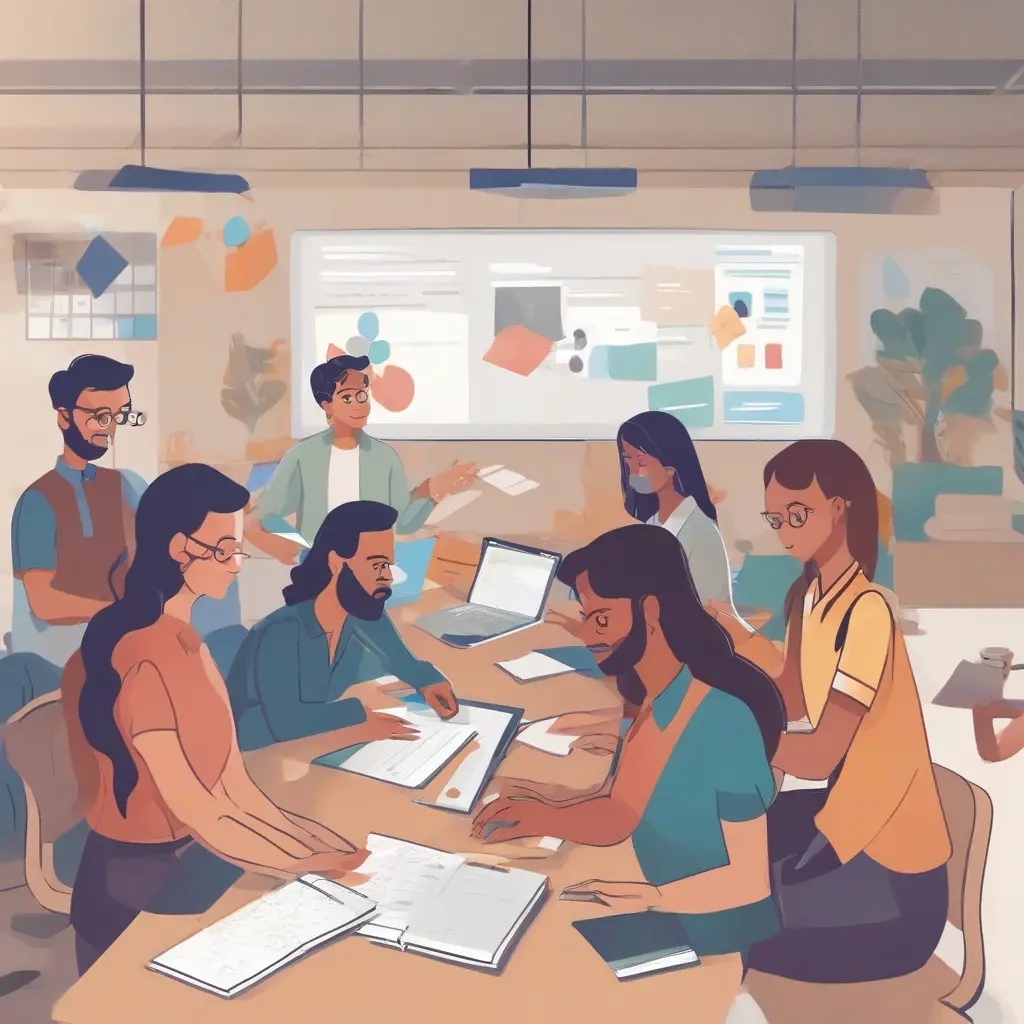
Effective communication in the workplace is a critical skill that shapes career trajectories. As students transition into professional settings, their ability to convey ideas clearly can set them apart from their peers. This article offers a student’s perspective on communication strategies that enhance teamwork, foster relationships, and promote clarity. By recognizing various communication styles and adapting to diverse workplace environments, students can build essential skills. Emphasizing the importance of listening, clarity, and emotional intelligence, this guide serves as a roadmap for students aiming for success in their future careers.
Understanding Different Communication Styles
Recognizing various communication styles is crucial for effective workplace interaction. Some individuals are direct and to the point, while others may prefer a more collaborative or conversational approach. Students must learn to identify these styles in their colleagues to communicate more effectively. Adapting to different communication styles can help in reducing misunderstandings and promoting positive interactions. Engaging colleagues based on their preferred methods fosters a harmonious environment, making it easier for everyone to contribute their best ideas and work collaboratively towards common goals.
The Role of Active Listening
Active listening is an essential component of effective communication. It goes beyond merely hearing words; it involves understanding the context and emotions behind the message. For students in the workplace, practicing active listening can significantly improve teamwork and collaboration. By giving full attention to the speaker, offering feedback, and asking clarifying questions, students demonstrate respect and commitment to effective dialogue. This skill builds trust among team members and enhances relationships, which can lead to more successful outcomes in projects and a more cohesive work environment.
Clarity in Verbal and Written Communication
Clarity is vital in both verbal and written communication, especially in professional settings. Miscommunication can lead to errors, wasted time, and unnecessary frustration. Students should strive to articulate their thoughts clearly and concisely in discussions and written correspondence. This entails organizing ideas logically and avoiding jargon that may confuse others. Simple language, clear structure, and a focus on key points can enhance the understanding of the message. By prioritizing clarity, students can facilitate smoother exchanges and ensure that everyone is on the same page.
Nonverbal Communication Matters
Nonverbal communication significantly impacts how messages are received and interpreted in the workplace. Body language, eye contact, and facial expressions can convey confidence and openness or, conversely, disinterest and confusion. Students should be mindful of their nonverbal cues, as these can complement or contradict verbal messages. Understanding the nuances of nonverbal communication can enhance interactions with colleagues, making them feel more engaged and valued. By practicing positive body language, students can create a more inviting atmosphere that fosters collaboration and creativity.
Adapting to Diverse Work Environments
Diverse work environments often include individuals from varied cultural backgrounds, which can influence communication styles and expectations. Students need to be aware of these differences and adapt their approaches accordingly. This could involve being sensitive to cultural nuances or modifying communication styles to maintain respect and understanding. Embracing diversity not only enriches communication but also enhances creativity and problem-solving within teams. Students who are open to learning from their colleagues can develop a broader perspective that prepares them for global workplaces.
Emotional Intelligence in Communication
Emotional intelligence (EI) plays a significant role in effective communication. Students with high EI can recognize and manage their own emotions while empathizing with others. This skill is invaluable in navigating workplace dynamics, where varied emotions can influence interactions. By developing emotional intelligence, students can respond sensitively to colleagues and foster a supportive environment. Additionally, understanding how emotions impact communication helps students express their thoughts and feelings constructively, improving overall workplace relations and teamwork.
Feedback: A Key Component in Communication
Giving and receiving feedback is a fundamental aspect of effective communication. For students, learning how to provide constructive feedback and accept critique can lead to personal and professional growth. It is essential to approach feedback with the intent of promoting improvement rather than criticism. Students should aim to be specific, actionable, and kind in their feedback, fostering a culture of continuous learning. Receiving feedback with an open mind also demonstrates a willingness to develop skills and adapt, essential qualities in any professional setting.
Collaborative Communication Strategies
Collaboration often requires specific communication strategies that facilitate group work and projects. Students should engage in open dialogues, encourage input from all members, and actively seek to integrate diverse perspectives. Utilizing collaborative tools like shared documents and project management software can also enhance communication within teams. By focusing on a collective approach, students can ensure that everyone feels included and valued, which boosts morale and encourages innovative solutions. Clear communication during collaboration helps streamline processes and strengthens outcomes.
The Importance of Networking
Networking is an essential element of effective communication that can advance students’ careers long-term. Building relationships with peers, mentors, and industry professionals provides opportunities for learning and collaboration. Effective communicators are often more successful at networking, as they can easily engage with others and establish meaningful connections. Students should actively participate in professional events, workshops, and online communities to expand their networks. By practicing strong communication skills in these environments, they’ll be better positioned to leverage these connections for career development.
Conclusion
Effective communication is not just a vital workplace skill but also a key factor in career success. For students, mastering communication techniques such as active listening, clarity, and emotional intelligence can lead to better collaboration and relationship-building. As they prepare to enter the professional world, students should embrace opportunities to practice these skills in diverse environments. By focusing on clear communication and adapting to various situations, they can significantly enhance their employability and set a solid foundation for a successful career.