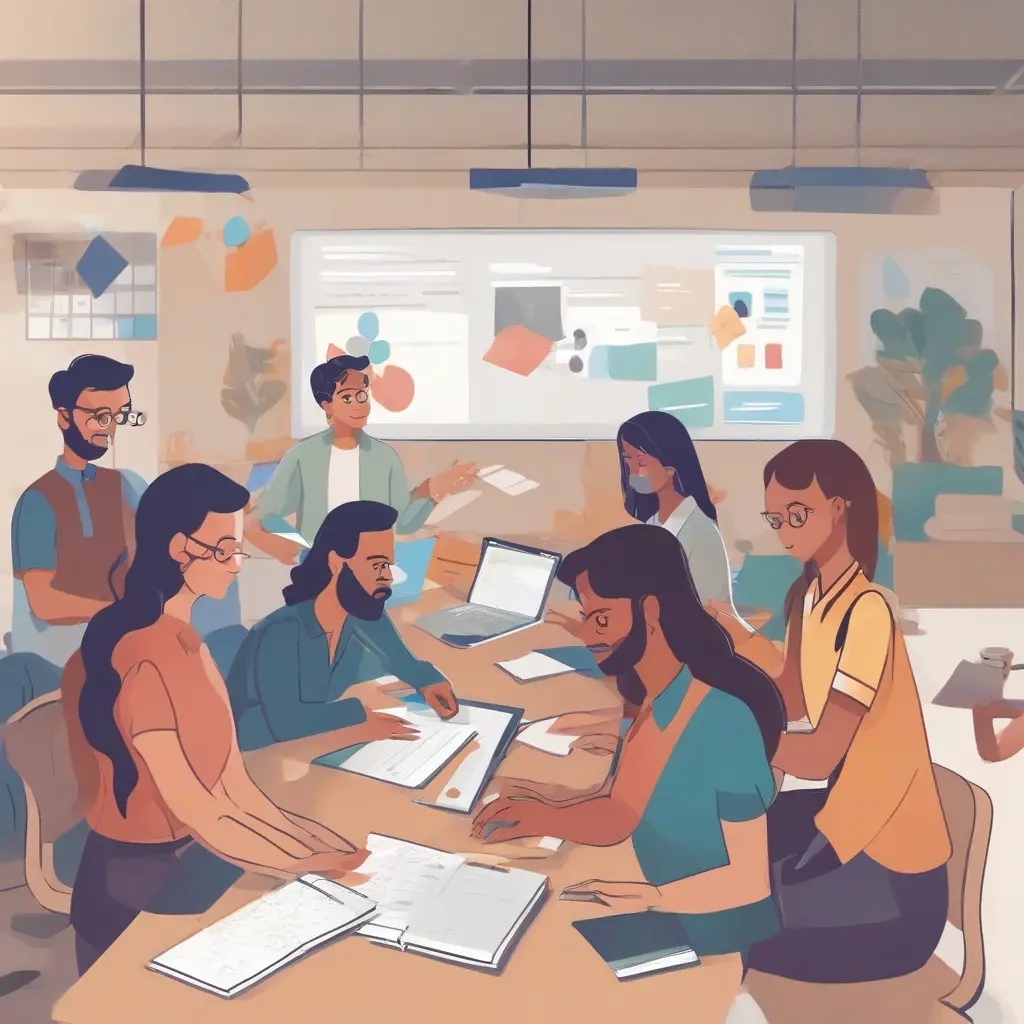
In today’s digital age, Indian college students face both opportunities and challenges in managing their study resources. With a vast amount of information available online, it can be overwhelming to filter and organize it effectively. Utilizing digital tools not only enhances learning efficiency but also helps in retaining important information. This article explores the best practices for managing digital study resources specifically tailored for Indian college students, ensuring they can maximize their academic potential.
Organizing Digital Resources
A well-organized digital environment is crucial for efficient study habits. Start by categorizing resources like e-books, articles, and lecture notes in a logical structure. Use folders and subfolders to segregate materials based on subjects or topics. This strategy helps in quickly accessing necessary information when studying for exams or completing assignments. Leveraging cloud storage solutions such as Google Drive or Dropbox can also provide easy access from multiple devices, enhancing flexibility for busy students.
Utilizing Note-Taking Apps
Note-taking applications like Evernote, OneNote, and Notion empower students to capture and organize information seamlessly. These apps offer features such as tagging, searching, and cross-linking notes, making it easier to locate relevant materials later. By incorporating multimedia elements like images, audio notes, and web clippings, students can create richer study materials that cater to different learning styles. Furthermore, cloud sync capabilities allow access to notes from any device, ensuring students never miss critical information.
Setting Up Digital Study Schedules
A structured study schedule can dramatically improve learning outcomes. Students should utilize digital calendars or task management tools like Trello to plan their study sessions effectively. Incorporating time-blocking techniques allows students to dedicate specific time slots for different subjects or assignments. This method not only fosters discipline but also helps students balance academic commitments and personal time. Regular reminders and alerts from these tools ensure students stay on track with their study plans.
Leveraging Educational Websites and Apps
Numerous educational platforms and applications cater specifically to college students. Websites like Khan Academy, Coursera, and edX offer free courses that can supplement college curricula. Additionally, platforms like Quizlet enable collaborative studying through flashcards and quizzes. Students should actively explore these resources to enhance their understanding of complex subjects. Integrating educational apps into their study routine can provide new perspectives and help reinforce learning through interactive methods.
Implementing Effective File Naming Conventions
Consistent file naming conventions play a vital role in resource management. Establishing clear and descriptive names for documents allows for quick identification and retrieval. Avoid vague titles; instead, use keywords that summarize the document’s content, including dates if applicable. This straightforward approach reduces time spent searching for materials and enhances overall productivity. Students should also maintain a version history for critical documents to track changes and revert if necessary.
Maintaining Digital Health
Digital health is an often-overlooked aspect of managing study resources. Students should periodically declutter their digital spaces by removing outdated or irrelevant files. This habit of regularly reviewing and organizing digital materials fosters a more productive study environment. Additionally, adopting ergonomic practices when spending extended hours in front of screens can prevent strain and discomfort. Balancing study time with adequate breaks helps maintain focus and motivation throughout the learning process.
Backup Strategies for Important Resources
Data loss can be catastrophic for any student, making robust backup strategies essential. College students should utilize cloud storage solutions to back up vital documents and study materials regularly. Implementing an automatic backup feature will ensure that all the hard work is preserved without manual intervention. Moreover, it is prudent to keep physical copies of essential assignments and notes, creating a multi-tiered backup system that guarantees access despite potential technical failures.
Collaborating with Peers Using Digital Tools
Collaboration among peers can enhance learning significantly. Students should explore digital platforms like Google Docs or Microsoft Teams for real-time collaboration on projects or group studies. These tools enable multiple users to contribute simultaneously, fostering a dynamic learning environment. This collective approach not only improves understanding through peer discussions but also encourages accountability among group members. Regular virtual meetings help maintain progress and ensure everyone stays engaged.
Assessing and Reflecting on Digital Study Methods
Regular assessment of study methods allows students to identify what works best for them. Reflecting on the effectiveness of digital tools and resources can provide insights into study habits. Students should analyze their performance after exams or assignments to determine if their resource management strategies are yielding positive results. Adjusting their approach based on these assessments can lead to improved academic outcomes and a deeper understanding of subjects.
Conclusion
In conclusion, adopting best practices for managing digital study resources is essential for Indian college students aiming to enhance their academic performance. By organizing materials, utilizing digital tools, setting schedules, and reflecting on strategies, students can create a productive studying environment. As digital technologies continue to evolve, staying informed and adapting methods will further support students in their educational journeys.