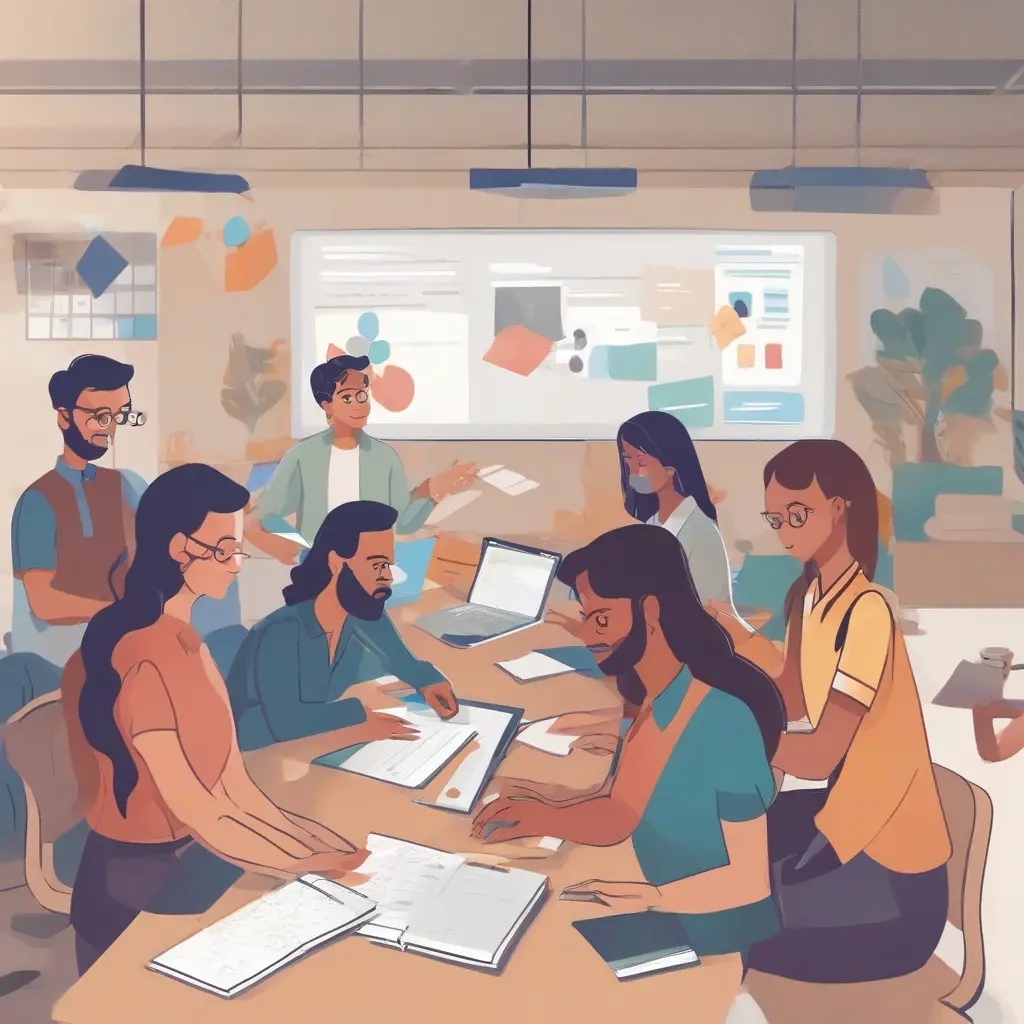
The gig economy offers Indian students a flexible way to earn money while pursuing their studies. This section explores how freelance work not only provides financial benefits but also allows students to gain real-world experience in their chosen fields. With minimal barriers to entry, students can explore various opportunities that align with their skills and interests. As they navigate this evolving economic landscape, understanding the nuances of freelance work will empower them to maximize their potential and achieve their career goals.
What Is the Gig Economy?
The gig economy consists of temporary and flexible jobs often facilitated through online platforms. It allows individuals to work on various projects without being tied to a single employer. This growing trend is characterized by freelance jobs, part-time work, and contract roles. Many students are entering this economy, seeking the advantages of enhanced earning potential, flexible schedules, and the ability to juggle education and employment. Understanding the gig economy is essential for students looking to leverage opportunities that fit their lifestyle.
Benefits of Freelancing for Students
Freelancing offers numerous advantages for students, including financial Independence and skill development. Earning while studying alleviates the financial burden of education, allowing students to focus on their studies without stress. Moreover, freelancers enhance their skills in time management, communication, and adaptability—qualities highly valued in the job marketplace. By engaging in freelance work, students can build a portfolio that showcases their talents, making them more attractive candidates to future employers.
Popular Freelance Opportunities for Indian Students
Indian students can choose from various freelance opportunities aligned with their skills and interests. Content writing, graphic design, web development, and social media management are among the most sought-after roles. Platforms like Upwork, Fiverr, and Freelancer provide access to a wide range of projects suited for beginners to advanced professionals. By exploring these options, students can not only earn money but also refine their skills and expand their professional networks.
How to Get Started with Freelancing
Getting started with freelancing involves a series of steps to ensure a successful career. First, students should identify their skills and find their niche, as this will guide their search for suitable jobs. Creating a professional online profile on freelancing platforms is crucial, as it highlights their expertise and attracts potential clients. Students must also learn to market themselves effectively, building a personal brand that resonates with their target audience. Lastly, managing time and setting realistic goals will pave the way for success in this field.
Tips for Balancing Studies and Freelance Work
Balancing studies with freelance work can be challenging, but effective time management strategies can help. Students should create a structured schedule that allocates specific time blocks for both academic responsibilities and freelance projects. Prioritizing tasks based on deadlines and importance can streamline their workflow. Additionally, setting clear boundaries is vital to avoid burnout, allowing students to maintain focus and productivity in both areas. Regular breaks and time for relaxation can also enhance their overall well-being.
Challenges of Freelancing for Students
Freelancing comes with its unique set of challenges, particularly for students. Clients may delay payments, causing financial stress, while the unpredictable nature of gig work can result in inconsistent income. Additionally, students often face difficulties in managing multiple clients and deadlines, leading to potential burnout. Understanding these challenges is critical, as it enables students to develop resilience and adaptable strategies that can help them navigate the gig economy effectively.
Building a Strong Portfolio
A compelling portfolio showcases a student’s skills and past work, making it an essential tool for attracting clients. Students should curate their best projects and create case studies that highlight their problem-solving abilities and creative approaches. Including testimonials from previous clients or supervisors can further enhance credibility. As students gain experience, regularly updating the portfolio with new work and achievements can significantly boost their chances of securing better freelance opportunities in the future.
Networking and Building Connections
Networking is vital for freelance success, as it opens doors to new opportunities and collaborations. Students can leverage social media platforms like LinkedIn to connect with professionals in their fields. Participating in online forums and attending webinars can foster relationships with like-minded individuals and potential clients. Building a robust network not only increases visibility but also enhances learning as students exchange ideas and experiences with peers, strengthening their freelance journey.
The Future of the Gig Economy in India
The gig economy in India is expected to grow significantly, driven by technological advancements and changing work preferences. As remote work becomes more accepted, the demand for freelance talent is likely to rise, presenting more opportunities for students. This shift offers students a chance to explore diverse careers without traditional constraints, promoting a culture of innovation and adaptability. By embracing the future of work, students can position themselves effectively within this evolving landscape.
Conclusion
Understanding the gig economy is beneficial for Indian students looking to enhance their skills and financial independence. By exploring various freelance opportunities and successfully balancing them with their studies, students can gain invaluable experience while earning money. With a proactive approach to networking, portfolio building, and time management, they can thrive in the gig economy and set the stage for a successful career.