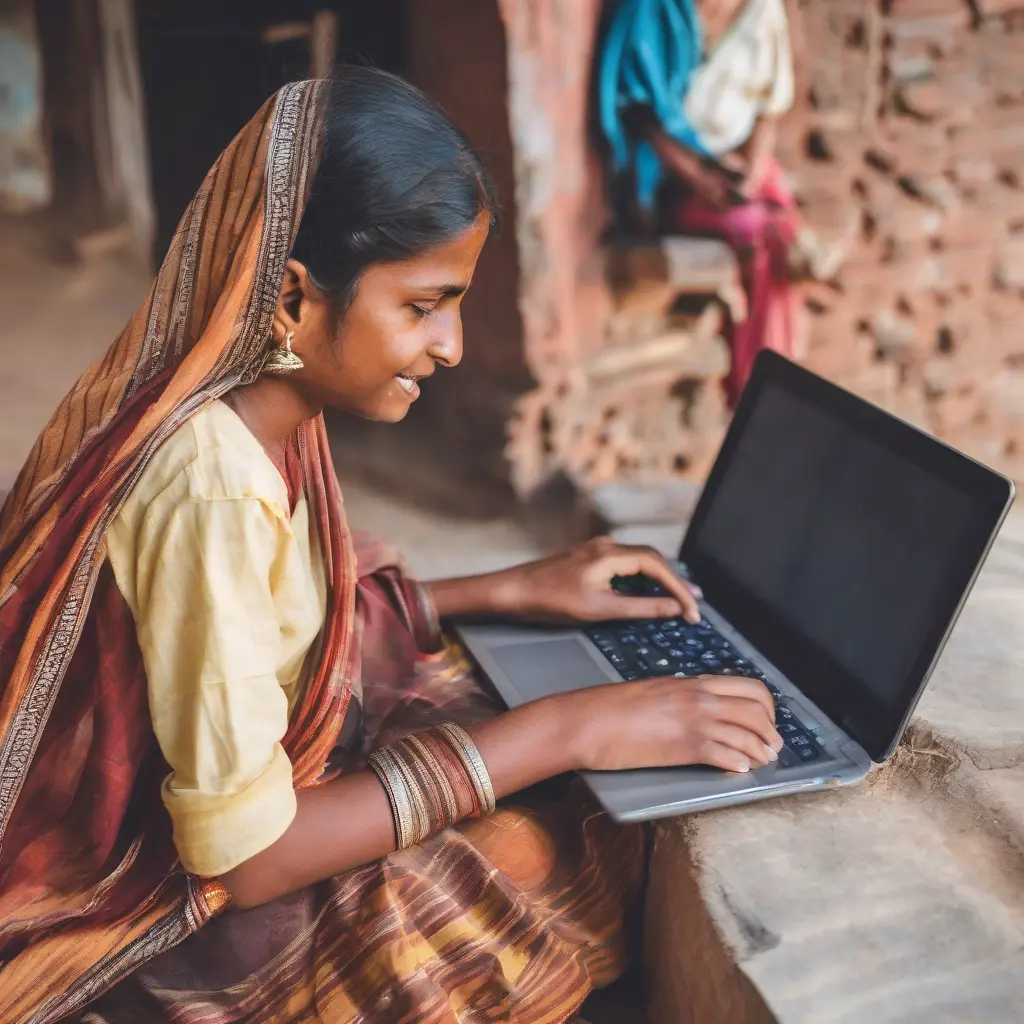
In recent years, local language online courses have emerged as a transformative educational tool in rural India. These courses cater to diverse learning needs, breaking down language barriers that have traditionally hindered access to quality education. By leveraging technology, these programs not only provide content in native languages but also enhance engagement among learners in rural areas. As the digital landscape expands, understanding the impact of these courses on rural education is crucial for policymakers, educators, and communities striving to improve learning outcomes and bridge the educational divide.
The Importance of Local Language in Education
Language plays a vital role in education, especially in rural India where students often face challenges in learning in a language they do not speak fluently. Local language instruction helps foster a sense of belonging and ownership in the learning process. When students learn in their native tongue, they can better grasp complex concepts, which can significantly enhance their academic performance. Moreover, local language courses encourage participation and reduce dropout rates, as students feel more comfortable and confident in expressing their thoughts and understanding the material.
Enhancing Accessibility Through Technology
The integration of technology in education has dramatically changed how learning occurs in rural India. Online courses accessible via smartphones and computers provide unprecedented access to educational resources. Many rural communities, despite limited infrastructure, are increasingly adopting smartphones, allowing more students to engage with local language content. These platforms facilitate not only knowledge acquisition but also the development of digital literacy skills, empowering learners to navigate both educational and real-world challenges effectively.
Engagement and Motivation in Learning
Local language online courses significantly enhance student engagement and motivation. Students are more inclined to participate actively when lessons are taught in a language familiar to them. The use of culturally relevant examples and contexts can make learning more relatable and impactful. Online assessments and interactive modules further encourage students to engage with the content actively, helping them retain knowledge better and fostering a love for lifelong learning, which is crucial in remote areas.
Bridging the Educational Divide
Rural education in India often faces disparities when compared to urban centers. Local language online courses are pivotal in bridging this divide by offering quality education resources that were previously unavailable. These programs democratize access to learning materials, enabling students from diverse backgrounds to benefit from high-quality educational content. By leveling the playing field, such courses help cultivate a more equitable educational environment where all students have the opportunity to succeed academically.
Building Community and Cultural Identity
Education is not just about acquiring knowledge; it is also about building community and identity. Local language courses help reinforce cultural heritage by incorporating local narratives, customs, and practices into the curriculum. This approach not only validates students’ backgrounds but also fosters a community spirit and empowers them to take pride in their culture. As learners engage with educational content that resonates with their experiences, they develop a stronger connection to their cultural identity alongside their academic pursuits.
The Role of Teachers in Local Language Online Courses
Teachers serve as facilitators in the local language online education ecosystem, guiding students through their learning journeys. Their role becomes crucial in adapting online content to meet the needs of local learners. Educators trained in both technology and local languages can effectively support students while also integrating interactive teaching methods. This dual focus ensures a more comprehensive understanding of subjects and enhances the overall effectiveness of online courses, ultimately leading to better educational outcomes for students.
Challenges to Implementation
Despite the numerous benefits of local language online courses, several challenges persist in their implementation. Limited internet access, especially in remote areas, can hinder the reach of these educational programs. Additionally, the lack of trained personnel proficient in both teaching and technology poses a significant barrier. Educational institutions and policymakers must work collaboratively to address these issues, ensuring that infrastructure and training initiatives align with the growing demand for localized online education.
Future Prospects for Local Language Online Education
The future of local language online education in rural India is promising, with increasing recognition of its importance for sustainable development. As technology continues to evolve, more tailored and accessible content will emerge. Collaborations between educational institutions, NGOs, and tech companies can further enhance course offerings and strategies, leading to better learning outcomes. By harnessing the potential of local language courses, India can cultivate a generation of learners equipped with the skills and knowledge to thrive in a rapidly changing world.
Conclusion
Local language online courses have the potential to revolutionize education in rural India by overcoming language barriers and enhancing accessibility. As these courses continue to evolve, they offer significant benefits, including improved engagement, community building, and culturally relevant content. By responsibly navigating the challenges and leveraging technological advancements, stakeholders can ensure that rural learners receive the quality education they need to succeed in the future.