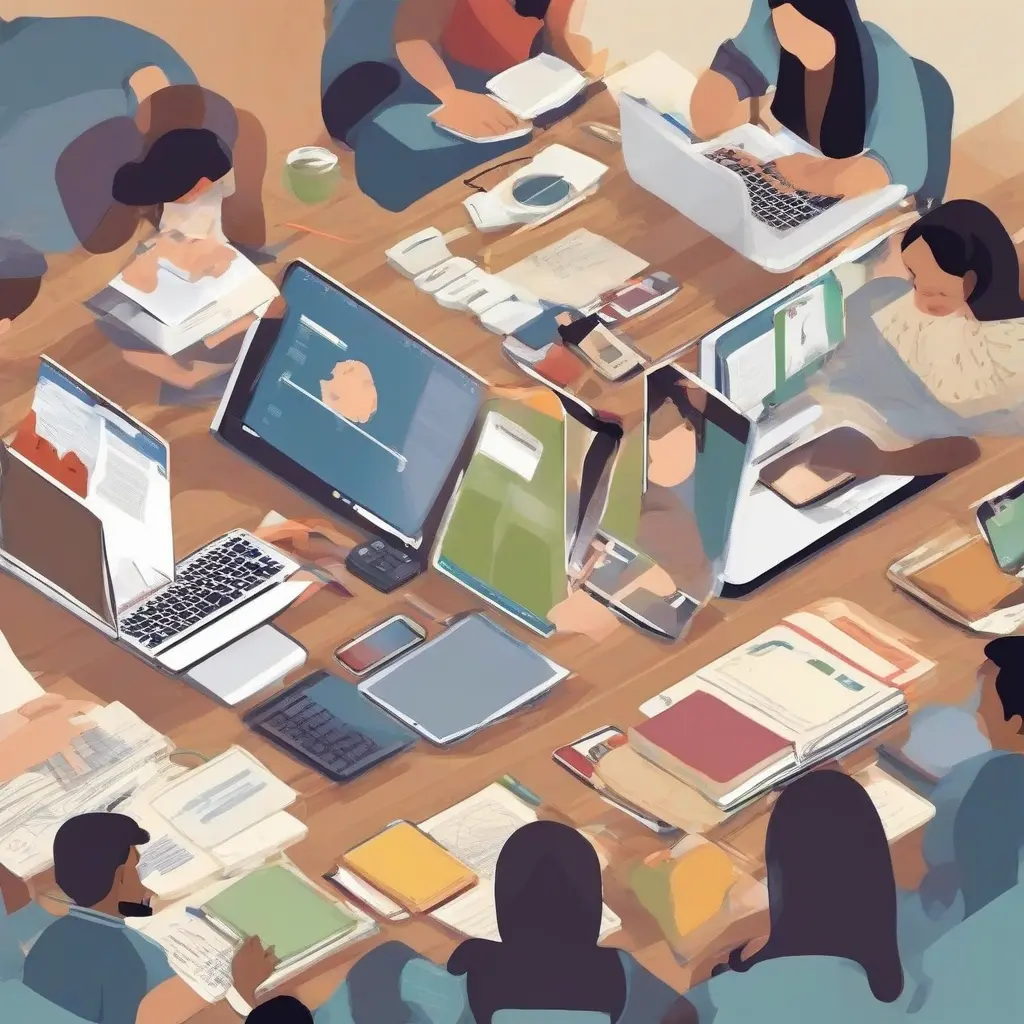
Massive Open Online Courses (MOOCs) have gained significant traction in India’s higher education landscape, revolutionizing access to quality education. With a growing population eager to learn and limited traditional resources, MOOCs serve as an alternative that caters to diverse needs. They provide opportunities for students from different backgrounds to upskill, address skill gaps, and pursue lifelong learning without geographical constraints. By leveraging technology, MOOCs not only broaden educational horizons but also respond to the rapidly changing job market, thus playing a pivotal role in shaping India’s educational future.
The Emergence of MOOCs in India
The introduction of MOOCs in India has transformed the educational framework, offering an alternative to traditional schooling. Launched in various forms around 2012, these courses have been endorsed by many universities and institutes, providing an inclusive platform for knowledge dissemination. With leading educational institutions collaborating with global platforms like Coursera and edX, MOOCs have become an essential option for students. Their rise reflects a broader global trend towards online education, yet within the Indian context, it addresses unique challenges such as accessibility and affordability.
Accessibility and Inclusivity through MOOCs
One of the primary advantages of MOOCs is increased accessibility to quality education for all students, regardless of their geographical location. In a country as diverse as India, where many rural communities lack access to traditional universities, MOOCs break down barriers by offering courses online. This digital approach allows learners from remote areas to acquire new skills and knowledge without relocating. Furthermore, MOOCs are often free or low-cost, making higher education more inclusive and appealing to a broader audience, thus promoting educational equity.
Quality of Education in MOOCs
Quality has often been a concern surrounding online education, prompting questions about the efficacy of MOOCs. However, many MOOCs are designed by reputable institutions and feature high-caliber educators, thereby ensuring that learners receive credible and useful information. The courses typically include multimedia content, interactive assessments, and peer review systems that enhance engagement and retention. Continuous feedback allows for iterative improvements in course design, positioning MOOCs as credible platforms that offer quality education comparable to traditional methods.
Skill Development and Job Readiness
MOOCs have been instrumental in bridging the skill gap prevalent in India’s workforce. With industries evolving at a rapid pace, there is a growing need for professionals to stay updated with the latest trends and technologies. MOOCs provide specialized courses that equip learners with practical skills tailored to market demands, ranging from data analytics to digital marketing. This focus on job readiness enhances employability for graduates, contributing significantly to the Indian economy by addressing the alignment between education and industry needs.
Collaboration with Educational Institutions
Collaboration between MOOCs and traditional educational institutions has fostered a mutually beneficial relationship. Indian universities are increasingly adopting MOOC methodologies within their curricula, allowing for hybrid learning models that combine the benefits of both online and classroom education. These partnerships often result in shared resources, innovative teaching practices, and expanded outreach, blending the rigor of formal education with the flexibility of online learning. As such collaborations continue to grow, they enhance the overall educational ecosystem in India.
Challenges Faced by MOOCs in India
Despite their advantages, MOOCs in India face several challenges that can hinder their effectiveness. One major issue is low completion rates, where many students enroll in courses but fail to finish them. Factors such as lack of motivation, inadequate self-discipline, and limited internet access contribute to this challenge. Additionally, the varying levels of digital literacy among students can affect engagement and learning outcomes. Addressing these challenges requires innovative solutions and supportive frameworks to enhance student experiences and encourage course completion.
The Future of MOOCs in India
Looking ahead, the future of MOOCs in India appears promising, fueled by technological advancements and a growing acceptance of online learning. As internet penetration increases and smartphone usage expands, more learners are poised to take advantage of MOOCs. Educational policies are also evolving to incorporate online learning more prominently, which will further legitimize MOOCs as credible educational pathways. Continuous advancements in course quality, pedagogy, and user experience will likely solidify MOOCs’ role in India’s higher education landscape for years to come.
Conclusion
In conclusion, MOOCs play a crucial role in transforming India’s higher education landscape by enhancing accessibility, quality, and skill development. As they evolve, addressing challenges such as course completion and digital literacy becomes essential. The partnership with traditional institutions further strengthens their legitimacy and outreach. With ongoing advancements and a focus on inclusivity, MOOCs are poised to significantly contribute to the educational and economic development of India.