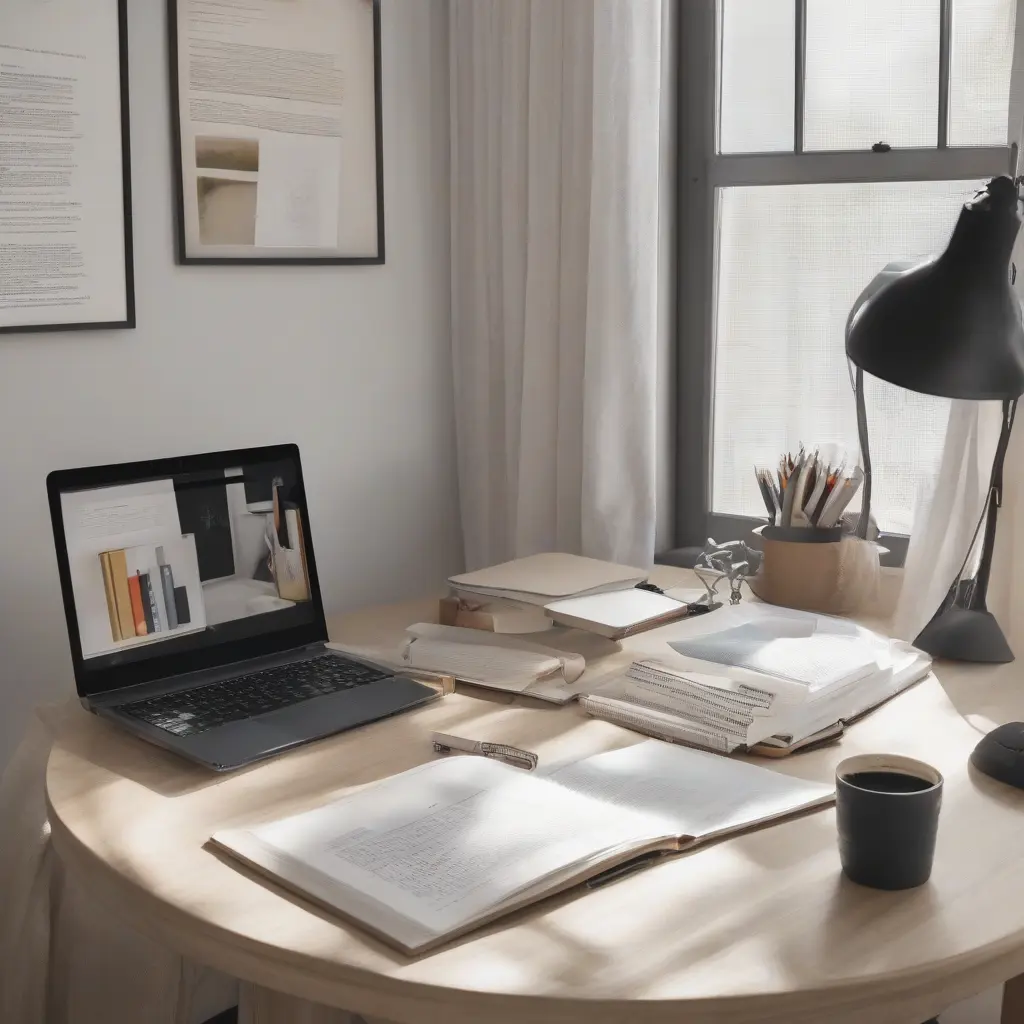
Establishing a productive home study environment is essential for students aiming to enhance focus and minimize distractions. The right setting can significantly influence concentration levels, retention, and overall academic performance. By taking proactive steps in organizing your study space, you can create a conducive atmosphere that promotes learning. This article will delve into various strategies that can help students design their ideal study environment at home, ensuring they achieve their educational goals with minimal interruptions.
Choose the Right Location
Selecting an optimal location for studying is crucial in minimizing distractions. A quiet corner of your home, away from high-traffic areas such as the living room or kitchen, can provide a serene setting that promotes concentration. Ideally, the study space should receive ample natural light and good ventilation, as this can enhance comfort and reduce fatigue during long study sessions. Ultimately, the right location eliminates background noise and uninvited interruptions, allowing you to fully immerse yourself in your studies.
Invest in Ergonomic Furniture
Ergonomic furniture greatly contributes to a productive home study environment. A comfortable chair and desk can help prevent physical discomfort during long study hours. Choose a chair that provides adequate lumbar support and a desk at the right height to maintain a proper posture. Incorporating an adjustable desk can also allow you to switch between sitting and standing, which can improve circulation and enhance focus. Investing in ergonomic furniture is not just about comfort; it’s about creating a workspace that encourages you to study longer and more effectively.
Eliminate Digital Distractions
Digital distractions can significantly impede study efficacy. Start by turning off notifications on mobile devices and using apps that block distracting websites during study sessions. Consider utilizing ‘Do Not Disturb’ mode to minimize interruptions from calls or messages. Furthermore, keeping your study area devoid of unnecessary electronic devices, such as tablets or gaming consoles, fosters an environment conducive to focus. By actively managing digital clutter, you give yourself the best chance for undisturbed productivity.
Organize Your Study Materials
A well-organized study space is vital for maintaining focus and efficiency. Use folders, binders, or digital applications to neatly sort your study materials, ensuring easy access to books, notes, and assignments. Labeling everything clearly can save you time and prevent frustration while searching for essential items. Additionally, regularly decluttering your desk will keep your environment tidy and free of distractions, allowing you to concentrate better on your study tasks. An organized workspace supports a clear mind and sharp focus.
Incorporate Personal Touches
Adding personal touches to your study environment can enhance motivation and create a positive atmosphere. Consider including inspiring quotes, artwork, or plants, which can uplift your mood and boost creativity. Personalization can also include organizing your materials in a way that feels comfortable and inviting to you. While your study space should remain conducive to concentration, infusing it with elements that resonate with you can make it a place you genuinely enjoy spending time in, thus enhancing productivity.
Establish a Study Routine
A consistent study routine helps train your brain to focus during designated times. Try to set specific hours for studying each day, integrating regular breaks for optimal performance. By creating a structured schedule, you can allocate time to various subjects or assignments, ensuring a balanced approach to learning. Routines also facilitate the transition into a study mindset, minimizing the likelihood of procrastination. Maintaining such a disciplined schedule can lead to improved concentration and academic success.
Limit Social Interactions
While social interactions are essential for maintaining a balanced life, limiting them during study time is crucial for minimizing distractions. Communicate your study schedule to family and friends, making them aware of your dedicated focus hours. Having designated study times helps create a mutual respect for your need to concentrate and reduces the likelihood of interruptions. Additionally, consider using noise-canceling headphones or background music to drown out any residual sounds from social activities, allowing for better focus.
Use Study Aids Wisely
Incorporating study aids can enhance understanding and retention of material. Tools such as flashcards, online quizzes, and study apps can keep learning engaging and organized. However, it’s crucial to use these aids wisely to avoid adding to distractions. Choose tools that complement your existing study methods and help you stay focused on your goals. Having the right resources at hand during study sessions can streamline the learning process, providing the assistance you need without overwhelming your study environment.
Create a Relaxation Zone
Designating a separate relaxation zone can significantly aid in managing study-related stress. This area can serve as a space for breaks, allowing you to unwind and recharge before returning to your studies. Incorporate comfortable seating, dim lighting, and soothing decor to enhance relaxation. Engaging in light activities, such as reading or meditating in this zone, can boost your mental well-being. By balancing study and relaxation, you create a more sustainable and productive approach to your educational journey.
Optimize Lighting for Study
Proper lighting is integral to an effective study environment, as poor lighting can lead to eye strain and decreased concentration. Ideally, your study area should have access to natural light, which not only brightens the space but also boosts mood and energy levels. When natural light isn’t available, ensure that you have adequate artificial lighting, such as desk lamps with adjustable brightness. Choosing warm or cool light settings based on the time of day can further optimize your studying experience, making reading and writing less taxing.
Stay Hydrated and Snack Smart
Maintaining hydration and making smart snack choices can greatly influence your concentration and energy levels while studying. Dehydration can lead to fatigue and diminished cognitive function. Keep a water bottle nearby and sip regularly to stay hydrated. Additionally, opt for nutritious snacks, such as fruits, nuts, or yogurt, which can provide sustained energy without causing spikes in blood sugar levels. By taking care of your physical needs, you create a healthier studying environment that promotes both focus and productivity.
Conclusion
In summary, setting up a productive home study environment involves thoughtful planning and organization. By selecting the right location, investing in ergonomic furniture, and incorporating personal touches, you can create a space that minimizes distractions and enhances focus. Establishing a consistent routine and optimizing your study area for comfort will further support your academic endeavors. With these strategies, you can achieve a more efficient and enjoyable studying experience, ultimately leading to improved academic performance.