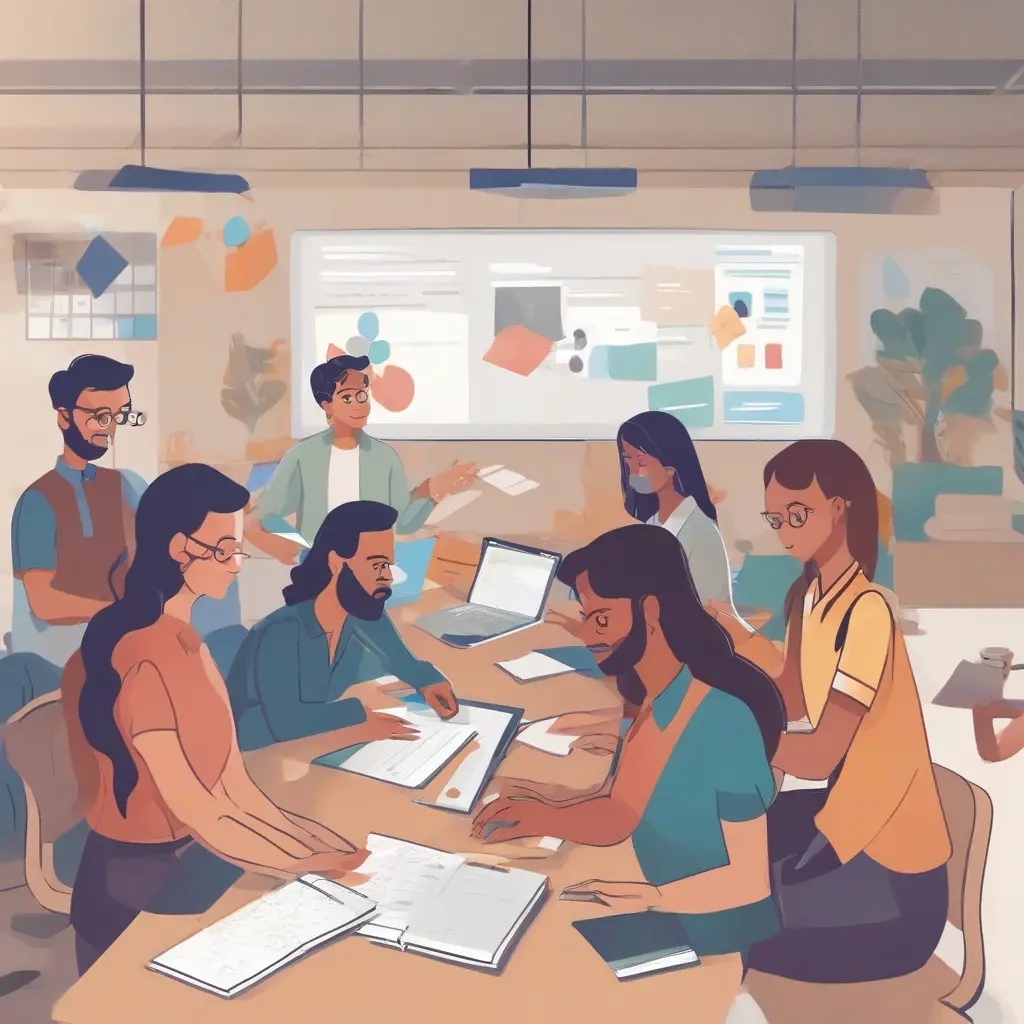
As hybrid learning becomes the new norm for students in India, balancing in-person and online education presents both challenges and opportunities. This blended approach not only enhances flexibility but also encourages the use of various technological tools that can aid in learning effectively. In this article, we will explore essential tech tools that every Indian student should consider incorporating into their study routine to thrive in a hybrid learning environment.
Understanding Hybrid Learning
Hybrid learning combines traditional classroom experiences with online learning methods, providing a flexible environment for students. In India, this approach allows students to benefit from face-to-face interactions with teachers while accessing additional resources online. Such a model encourages self-directed learning, adaptability, and engagement through a combination of physical and virtual resources. Understanding the dynamics of hybrid learning is crucial for students to navigate their educational journeys successfully.
Learning Management Systems (LMS)
A Learning Management System (LMS) is vital for organizing and managing learning experiences efficiently. Platforms like Google Classroom and Moodle provide an integrated environment where students can access course materials, submit assignments, and track their progress. These systems facilitate communication between teachers and students, making it easier to adapt lesson plans based on individual learning needs. An effective LMS can enhance the overall educational experience by ensuring resources are readily available and facilitating collaboration.
Video Conferencing Tools
In a hybrid learning model, video conferencing tools like Zoom and Microsoft Teams are indispensable for real-time communication. These tools enable live lectures, group discussions, and one-on-one interactions, bridging the gap between in-person and online learners. With features that allow screen sharing, breakout rooms, and recording options, these platforms enrich the learning experience. Students can engage with their peers and teachers, fostering a sense of community despite geographical distances.
Note-Taking Applications
Effective note-taking is fundamental to the learning process, especially in hybrid settings. Applications like Evernote and Microsoft OneNote allow students to organize their notes digitally, making them easily searchable and accessible from any device. These tools support text, images, and even audio notes, catering to different learning styles. By consolidating information in a structured manner, students can enhance retention and better prepare for exams, quizzes, and class discussions.
Collaboration Tools
Collaboration tools such as Google Workspace and Slack make it easy for students to work together on projects and assignments, regardless of location. These platforms allow for real-time editing of documents, sharing of resources, and efficient communication through chat features. Enhancing collaborative efforts helps simulate a classroom environment, where students can discuss ideas, brainstorm solutions, and receive immediate feedback. Such collaboration is crucial for developing teamwork and communication skills essential for their future careers.
Digital Libraries and Resources
Access to digital libraries and educational resources significantly enhances the learning experience for students. Platforms like JSTOR, Google Scholar, and Project Gutenberg offer a wealth of information, from academic articles to eBooks, covering diverse subjects. Students can explore materials that complement their classroom learning and dive deeper into topics of interest. Utilizing these resources not only encourages independent research but also supports critical thinking and enhances academic performance.
Online Assessment Tools
Online assessment tools like Kahoot and Quizizz provide engaging methods to evaluate understanding and retention of course material. These platforms allow teachers to create interactive quizzes that track student performance and provide instant feedback, benefiting both the learner and instructor. By using gamification elements, online assessments motivate students to engage in learning actively while minimizing test anxiety. This innovative approach ensures students remain focused, making evaluations both effective and enjoyable.
Cloud Storage Solutions
Cloud storage solutions such as Google Drive and Dropbox ensure students’ work is securely backed up and accessible from anywhere. These platforms allow for easy file sharing, collaboration, and organization of learning materials. By keeping projects and notes stored in the cloud, students no longer have to worry about losing important documents. Furthermore, the ability to access files from multiple devices enhances flexibility and promotes a seamless transition between online and offline work.
Mind Mapping Tools
Mind mapping tools like MindMeister and Coggle assist students in organizing their thoughts and ideas visually. These applications enable learners to create diagrams that illustrate the relationships between concepts, supporting better comprehension and retention. Mind mapping fosters creativity and critical thinking skills, allowing students to brainstorm effectively. By incorporating visual elements into their study processes, students can simplify complex topics and enhance their ability to recall information.
Adapting to Different Learning Styles
Every student has a unique learning style that can influence how they absorb information. Tech tools such as audio and video resources cater to auditory and visual learners respectively. Additionally, interactive simulations and gamified learning experiences appeal to kinesthetic learners. By utilizing a variety of educational technologies, students can discover what works best for them, leading to a more personalized and effective learning experience. Awareness of these learning styles is critical in a hybrid learning environment, encouraging students to take ownership of their education.
Emotional Well-Being and Support Tools
With the challenges of adapting to hybrid learning, emotional well-being tools become essential for students. Apps like Headspace and Calm promote mindfulness and stress management through guided meditations and relaxation techniques. By prioritizing mental health, students can improve focus and resilience during their studies. Access to support communities through platforms like Reddit or student forums also helps students share experiences and strategies, fostering a supportive atmosphere. Maintaining mental well-being is as important as academic success in the hybrid learning landscape.
Conclusion
In conclusion, adapting to hybrid learning requires a strategic approach and the right technological tools. By leveraging resources such as LMS, video conferencing, note-taking apps, and collaboration platforms, Indian students can navigate their educational journeys successfully. The key lies in selecting the appropriate tools that match their learning styles and preferences, thus ensuring a seamless combination of online and in-person experiences. Embracing these technologies can lead to a more enriched and effective learning experience in today’s evolving educational landscape.