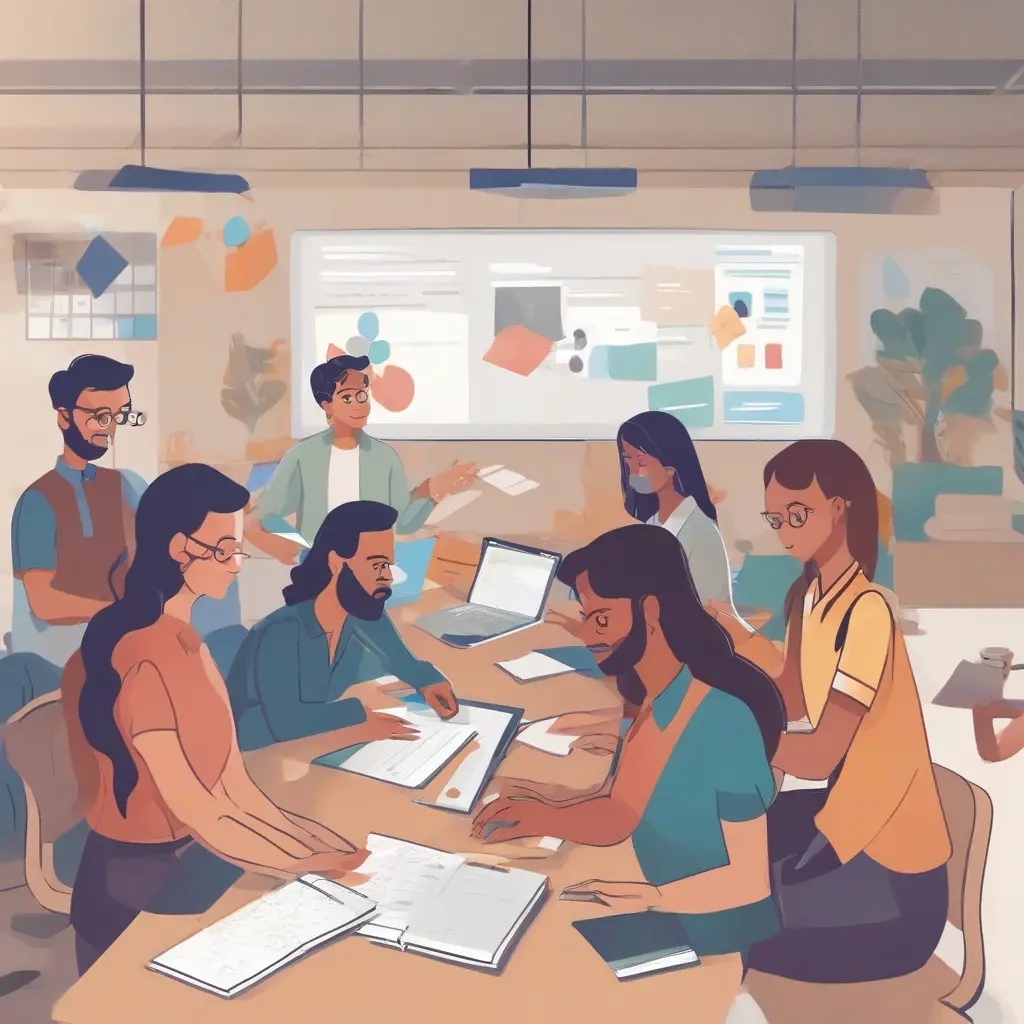
Project-Based Learning (PBL) is revolutionizing education, especially in the context of online courses for students in India. It empowers students to learn through practical, hands-on projects that are often based on real-world problems. This approach not only promotes critical thinking and teamwork but also helps students retain knowledge better. In a country where the digital landscape is rapidly evolving, integrating PBL into online courses offers a unique opportunity for students to engage deeply with the material. As we dissect the methodology, benefits, and challenges of PBL in the Indian online education sector, we will uncover its immense potential to transform learning experiences.
Understanding Project-Based Learning
Project-Based Learning (PBL) is an instructional methodology that encourages students to learn by actively engaging in real-world and personally meaningful projects. Unlike traditional learning methods that prioritize rote memorization, PBL places students at the center of their educational experience, allowing them to explore complex topics in depth. This method fosters skills like problem-solving, collaboration, and time management. For Indian students, adapting PBL into online courses means applying theoretical knowledge to practical scenarios tailored to local contexts, ultimately enhancing the learning process.
Benefits of PBL for Indian Students
Implementing Project-Based Learning in online courses offers numerous advantages for students in India. Firstly, it promotes experiential learning, allowing students to apply theoretical knowledge to real-life situations. By working on projects relevant to their communities, students demonstrate how their learning can have tangible impacts. Secondly, PBL fosters better collaboration among students, encouraging them to form teams and work together, which enhances their communication skills and sense of community. Lastly, this approach emphasizes critical thinking, preparing students for complex workplace challenges they may face in the future.
Creating a PBL Framework for Online Courses
To effectively integrate PBL into online courses, educators need to establish a structured framework that facilitates student engagement. This framework should outline clear learning objectives, project timelines, and evaluation criteria. Choosing appropriate projects that align with curriculum goals while also resonating with student interests is crucial. Additionally, providing guidance and resources, such as tutorials or online workshops, helps students navigate challenges they may encounter during their projects. Educators must also incorporate feedback mechanisms to encourage continuous improvement throughout the PBL process.
Technology’s Role in PBL Implementation
Technology plays a pivotal role in implementing Project-Based Learning within online courses. Various digital tools and platforms facilitate collaboration among students, allowing them to communicate and share resources in real-time. For instance, virtual project management tools enable students to track progress, assign tasks, and manage deadlines effectively. Additionally, online forums and discussion boards can create spaces for peer feedback and mentorship. By harnessing technology, educators can enhance the interactivity of projects and make learning more engaging for students, even in a virtual environment.
Challenges of Implementing PBL in Online Education
Despite its numerous benefits, implementing Project-Based Learning in online courses presents several challenges. One of the primary issues is ensuring active student engagement, as online settings can sometimes lead to disengagement. Additionally, the lack of immediate access to educators can hinder students, as they may require guidance while working on projects. Furthermore, assessing students’ individual contributions to group work can be difficult. Addressing these challenges involves employing strategies to foster accountability and encourage active participation throughout the PBL process.
Case Studies of Successful PBL in India
Various educational institutions in India have successfully incorporated Project-Based Learning into their online courses, showcasing its effectiveness. For instance, a renowned university launched a PBL initiative that required students to solve local environmental issues. Teams worked together to design sustainable solutions, utilizing both technology and community involvement. This initiative not only enriched their learning experience but also had a positive impact on local communities. Such success stories demonstrate the potential of PBL to transform online education in India by making it more relevant and impactful.
Best Practices for Educators in India
Educators aiming to integrate Project-Based Learning into online courses should follow several best practices. Firstly, they should begin with small-scale projects that gradually increase in complexity. This helps students build confidence and understand the dynamics of collaborative work. Secondly, providing continuous support and feedback is crucial for keeping students engaged and motivated. Lastly, surrounding projects with reflection sessions allows students to consolidate their learning and articulate their experiences. These best practices can significantly enhance the effectiveness of PBL in online learning environments.
Recommendations for Future Research
As Project-Based Learning continues to evolve, further research is necessary to understand its long-term impacts on students in India. Specifically, studies should focus on the efficacy of different project types across diverse educational environments. Additionally, research can explore how PBL influences students’ career readiness and adaptability in various fields. There is also a need to assess the role of technology in enhancing PBL effectiveness, particularly as educational technologies continue to advance. These insights will help in refining PBL strategies and ultimately improve the quality of online education.
Conclusion
Integrating Project-Based Learning into online courses for students in India holds significant promise for transforming educational experiences. By focusing on practical, real-world projects, educators can foster essential skills such as collaboration, critical thinking, and problem-solving. Although challenges exist, adopting a structured approach and leveraging technology can enhance the effectiveness of PBL. As this educational model continues to develop, it has the potential to not only engage students more deeply but also prepare them for the complexities of modern workplaces.